Dignified Care for
Every Person Living with an NCD
Coordinated, compassionate management — closing the gap Kenya's health system has left open
For millions of Kenyans, a diagnosis of diabetes, hypertension, or heart disease marks not the beginning of a managed journey — but the beginning of confusion, expense, and isolation. The Kenya NCD Resource and Support Center exists to change that — providing dedicated, integrated, one-stop NCD management in a peaceful and respectful environment designed for dignity and hope.
"NCD management is not about treating a disease — it is about supporting a person across years of life. That requires a different kind of care."
Not a Hospital.
Something More Human.
Kenya's health system is built primarily for acute care — emergencies, surgeries, and short treatment episodes. It was not designed for the long, quiet work of managing chronic disease: the monthly check-ins, medication adjustments, nutrition coaching, physiotherapy, and encouragement on hard days. That gap is where lives are lost.
The Kenya NCD Resource and Support Center does not seek to replicate hospitals. We complement them. Our Management pillar offers the dedicated, relationship-based NCD care that existing facilities cannot sustain — delivered by multidisciplinary teams who know their patients by name, in an environment designed for comfort, dignity, and hope.
Every person who comes to the Center for management receives an integrated care pathway — diagnosis, consultation, pharmacy, rehabilitation, nutrition support, and follow-up woven into a seamless, unhurried experience. No bouncing between departments. No wasted journeys. No one sent home without answers.
Six Programs. One Pathway. Complete Care.
Each program addresses a specific dimension of living with an NCD — together forming a seamless, integrated system where no need goes unmet and no person is left to manage alone.
 01
01
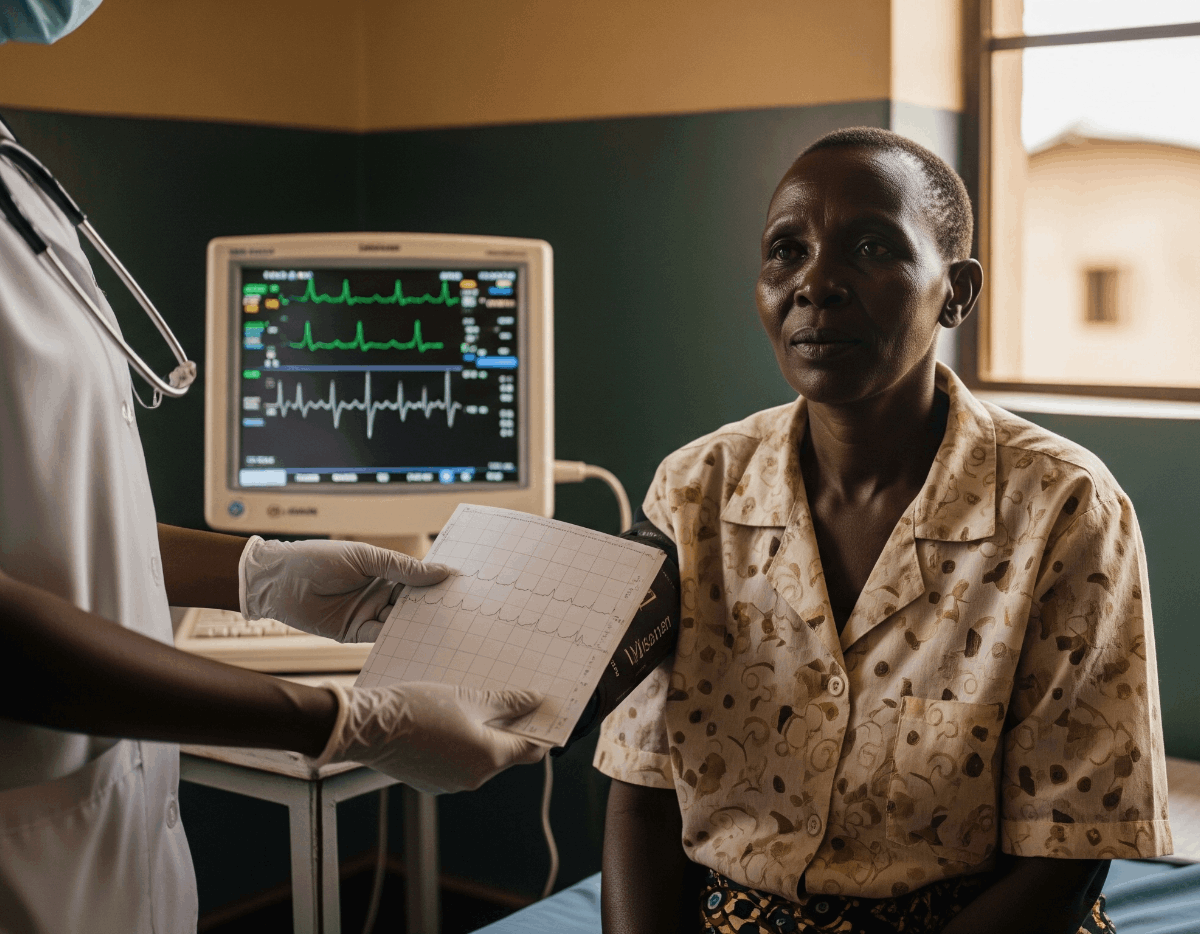
A modern on-site diagnostics service designed to catch NCDs early and monitor them precisely — the difference between a preventable tragedy and a manageable condition in rural areas where late diagnosis is far too common. Serving both Center visitors and outreach samples, local testing feeds directly into individual care plans and digital records, empowering patients and families with clear answers and actionable next steps.
Learn more → 02
02
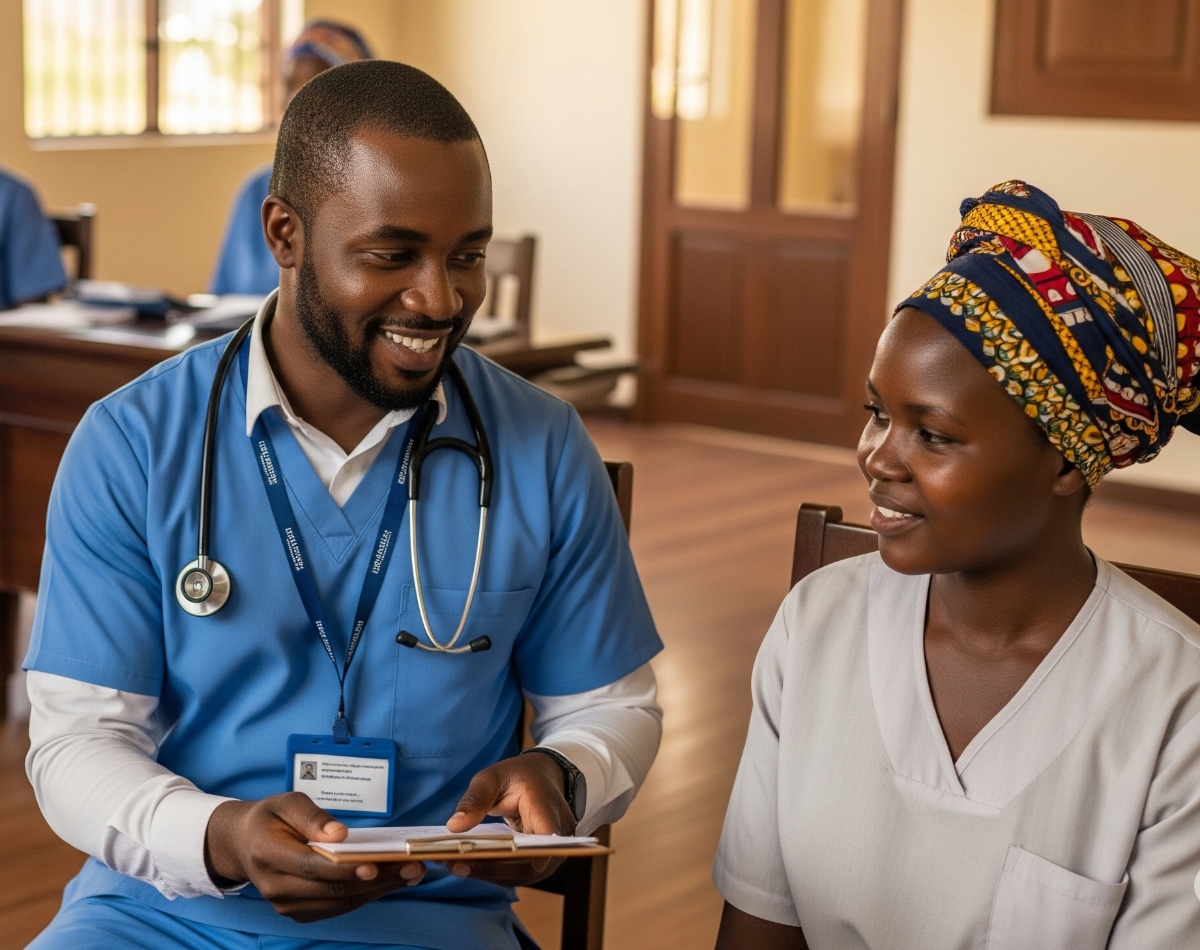
Private consultation rooms staffed by in-house multidisciplinary teams — doctors, nurses, nutritionists, physiotherapists, and counselors — supported by volunteer specialists and telemedicine. Patients receive comprehensive assessments, ongoing monitoring, and coordinated care plans in a peaceful, respectful environment. For complex cases, the Center connects seamlessly to referral hospitals while maintaining continuity of relationship-based care.
Learn more →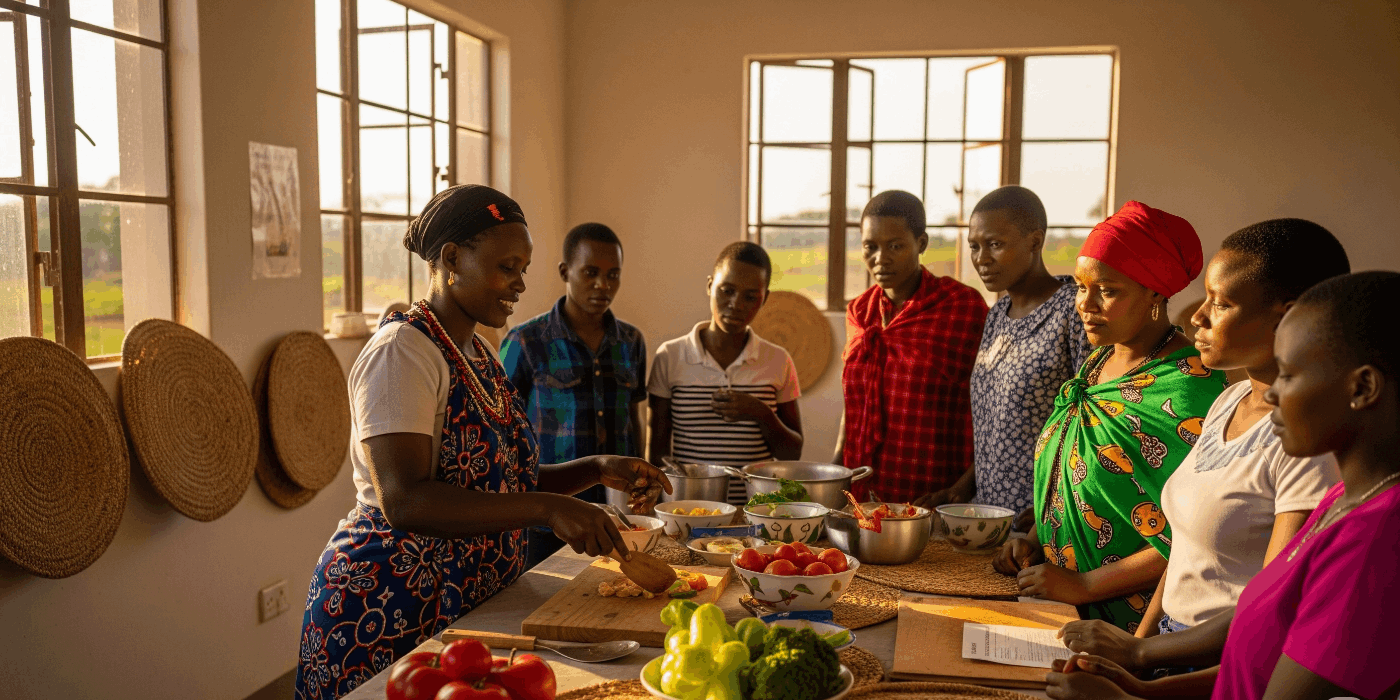 03
03
For people living with NCDs, what they eat, how they move, and how they manage stress is as important as any medication. Personalised nutrition counseling, cooking guidance using affordable local foods, physical activity integration, and structured behavior change support help patients make sustainable choices that reduce complications and improve daily quality of life — long after they leave the consultation room.
Learn more →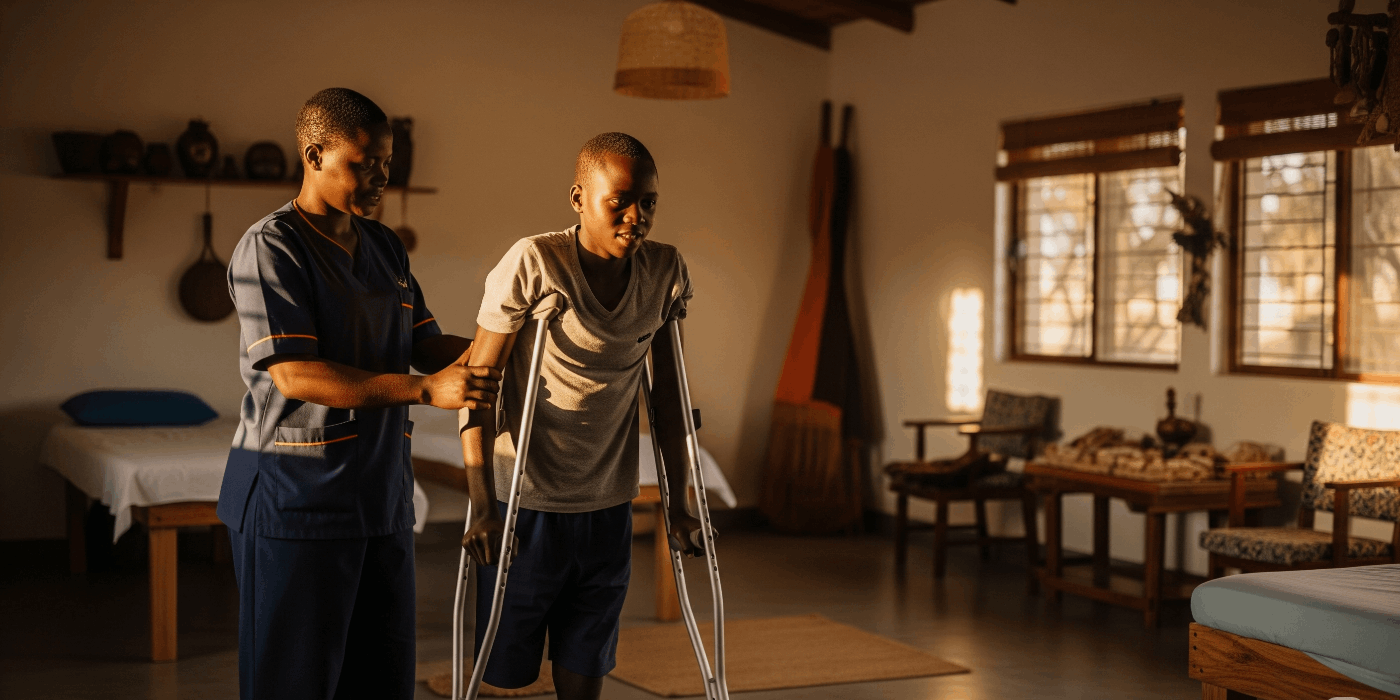 04
04
Dedicated physiotherapy rooms integrated with the Center's gyms and outdoor facilities. Specialised programs support stroke recovery, post-cancer mobility restoration, and chronic pain management. Prehabilitation — targeted physical preparation before surgery or chemotherapy — is a transformative intervention that improves outcomes and shortens recovery time, yet remains largely unavailable in rural Kenya. The Center changes that.
Learn more →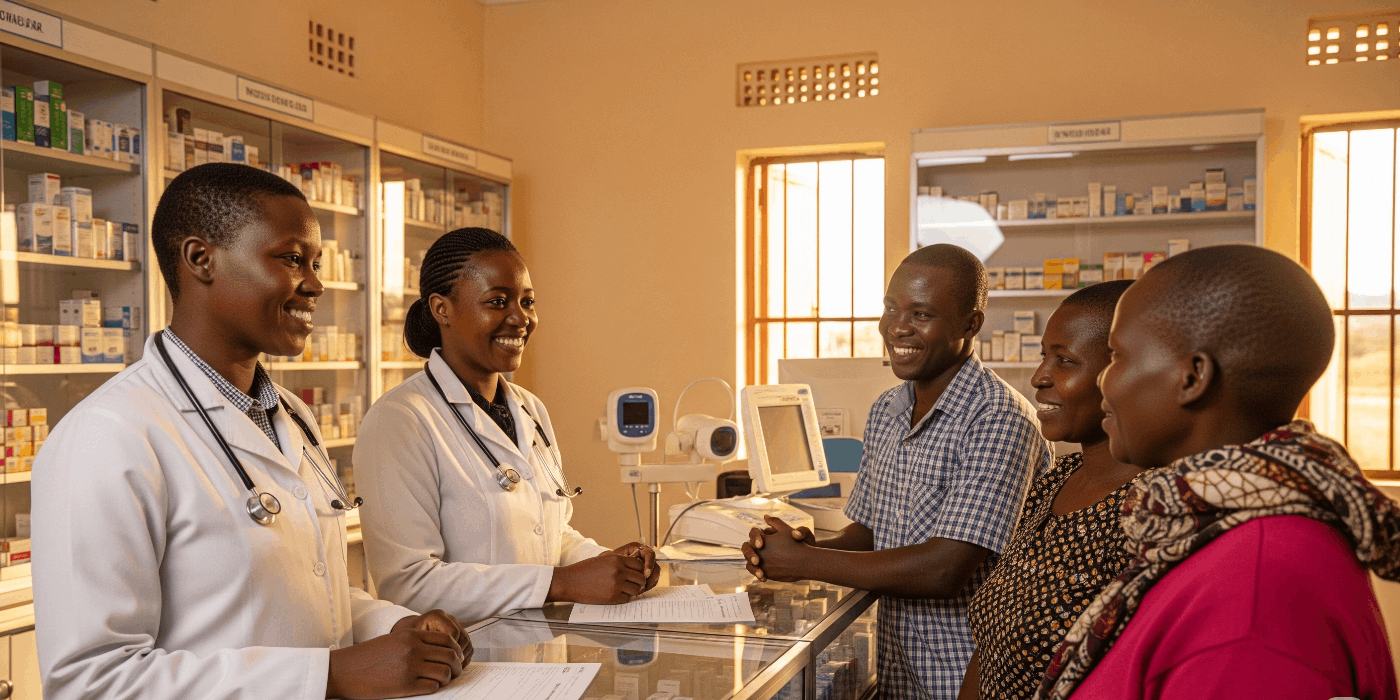 05
05
Access to affordable NCD medicines, monitoring supplies — glucometers, insulin, blood pressure monitors — and adherence tools, bundled with structured follow-up support. Medication non-adherence is one of the leading causes of NCD complications and hospitalisations in Kenya. The Center's pharmacy is staffed by people who understand the financial pressures of managing a chronic condition, backed by community health promoters who follow up at home.
Learn more →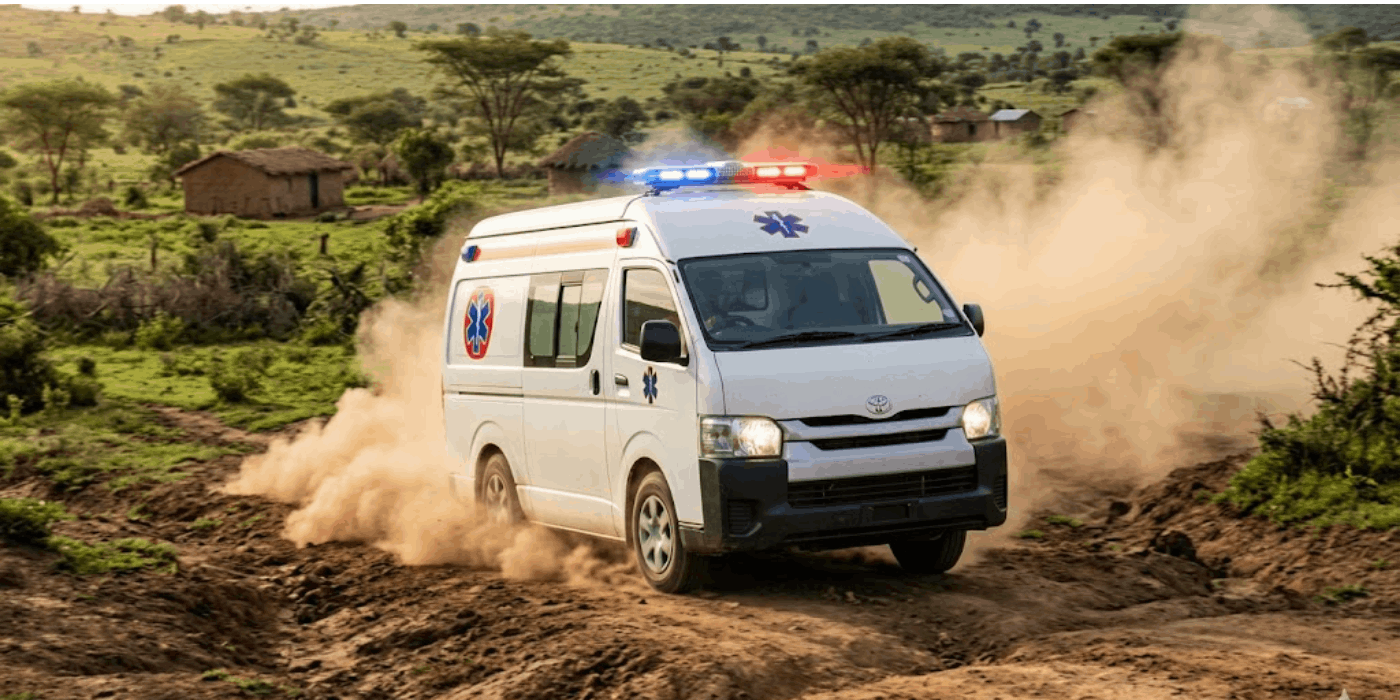 06
06
Equipped ambulances and motorbike first-response units for patients experiencing acute NCD complications — severe hypoglycaemia, hypertensive crisis, or stroke. Immediate stabilisation and first aid at the Center, followed by safe transfer to referral hospitals for acute care. This safety net ensures no one is abandoned in a crisis, while keeping the Center focused on its core mission of long-term, relationship-based NCD management.
Learn more →The Gap We Were Built to Close
NCD management is not about treating a disease — it is about supporting a person across years of life. That requires a different kind of facility, a different philosophy of care, and a team that shows up consistently. This is what the Kenya NCD Resource and Support Center offers.
One-Stop Pathway
Diagnosis, consultations, pharmacy, physiotherapy, and nutrition support under one roof — no fragmentation, no wasted journeys, no lost follow-up.
Multidisciplinary Teams
Doctors, nurses, nutritionists, physiotherapists, and counselors working together on every patient's plan — in genuine collaboration, not silos.
Telemedicine & Follow-up
Specialist access via telemedicine and community health promoters who maintain continuity of care well beyond the Center's walls.
A Healing Environment
Healing gardens, serene consultation spaces, and a culture of dignity and respect — because the environment of care profoundly shapes the outcomes of care.
Anyone Living with
an NCD Deserves Expert Care
The Kenya NCD Resource and Support Center serves anyone diagnosed with — or at high risk for — a non-communicable disease. We are particularly focused on reaching people in Khwisero sub-county and across Kakamega County who currently have limited access to specialised NCD care.
We do not turn people away based on ability to pay. The Center is designed to be affordable and accessible, with a sliding scale approach and strong community health promoter networks to identify and reach those who need care most but are least likely to seek it.
Explore how we stop NCDs before they start through community-based programs
← Support the MissionHelp us build the Kenya NCD Resource and Support Center — the facility that makes all of this possible
→ Pillar Three →Discover how we address the emotional, social, and spiritual dimensions of living with an NCD
→