No One Should Walk
This Journey Alone
Walking alongside individuals, families, and communities through every dimension of living with an NCD
An NCD diagnosis changes everything — not just the body, but daily routines, family dynamics, financial security, and emotional well-being. Yet in Kenya, psychosocial and community support for people living with chronic illness is almost entirely absent. The Kenya NCD Resource and Support Center was built on the conviction that support — real, sustained, human support — is not a luxury in NCD care. It is the foundation.
"People who have lost hope find renewal here — through compassionate care, meaningful activities, and a deep sense of belonging."
Support is Not an Add-On.
It is the Heart of Care.
In the global health community, NCD prevention and management receive most of the attention. But for the millions of people who live with a chronic condition every single day — navigating medication regimens, managing pain, dealing with stigma, and worrying about the future — what sustains them is not always a drug or a diagnostic. It is connection, hope, and the knowledge that they are not alone.
The Kenya NCD Resource and Support Center's Support pillar exists to fill the vast psychosocial gap in Kenya's chronic disease response. We work at four levels — individual, family, community, and national — because NCDs touch every layer of a person's life, and genuine support must too.
From private counseling sessions to vibrant community Hope Circles; from caregiver training to palliative care for those approaching the end of life; from livelihood support that restores financial dignity to spiritual and emotional spaces where people find peace — the Center offers the full continuum of human support that chronic illness demands and communities deserve.
Seven Programs. Every Dimension of the Journey.
From individual counseling to national advocacy, from family caregiver training to palliative care — our Support pillar addresses the full human reality of living with a non-communicable disease.
 01
01
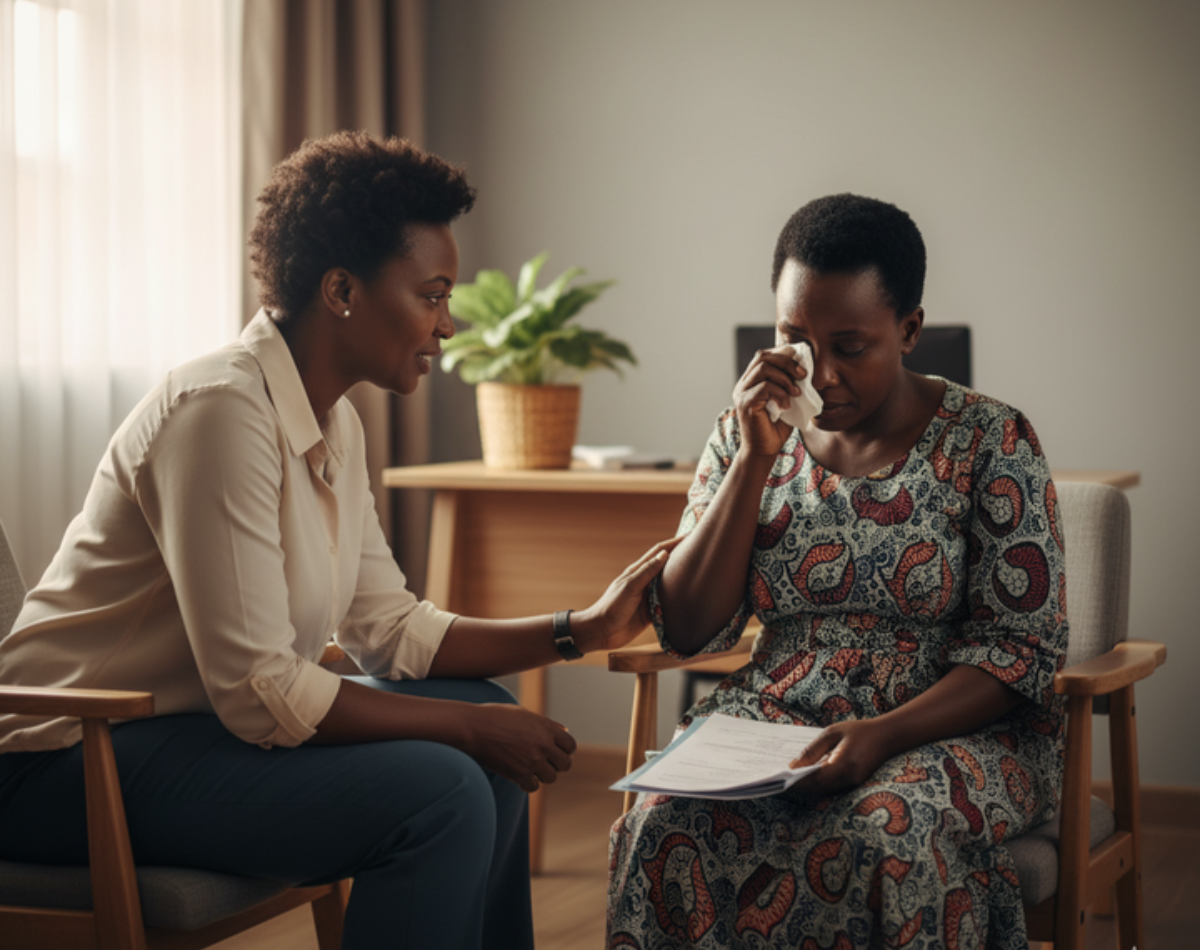
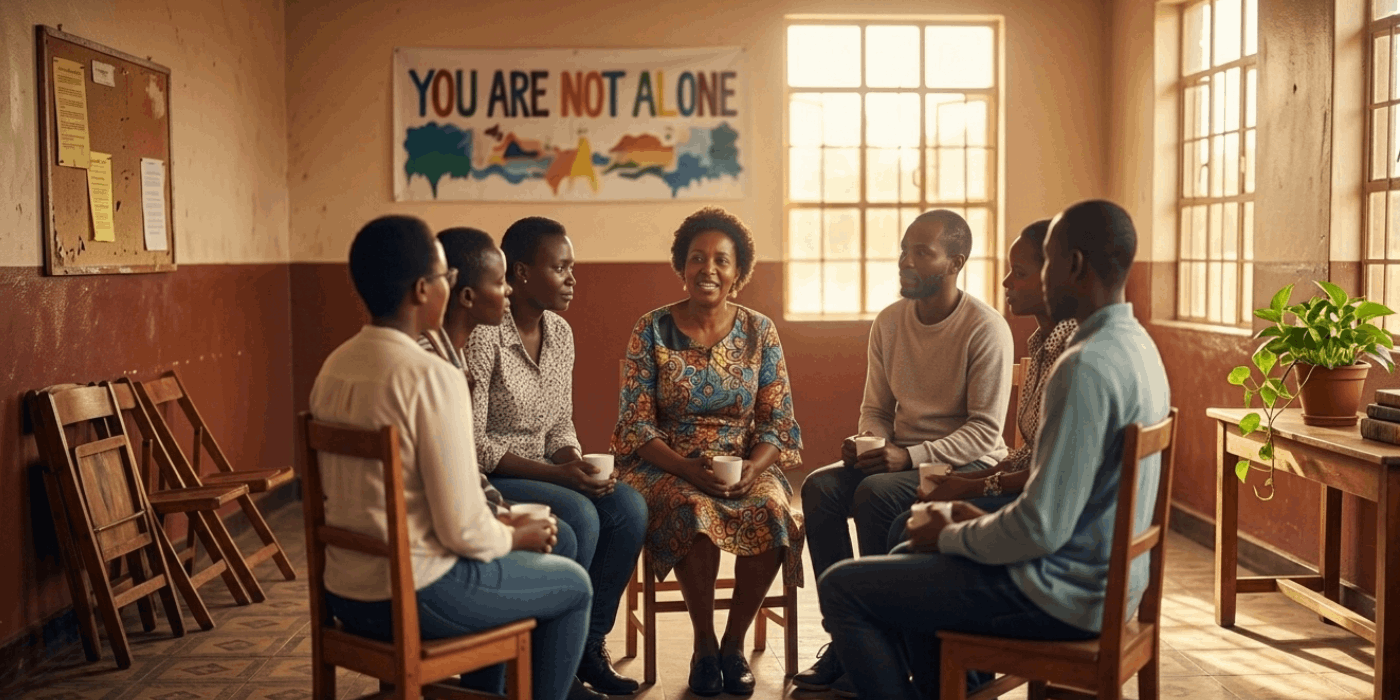
One-on-one counseling sessions with trained counselors, alongside peer support groups where people living with similar conditions share experiences, strategies, and encouragement. Structured Hope Circles and intergenerational activities bring together people at different stages of their NCD journey — creating a community of shared resilience that is far more powerful than any clinical intervention alone. Knowing others have walked this path — and thrived — changes everything.
Learn more →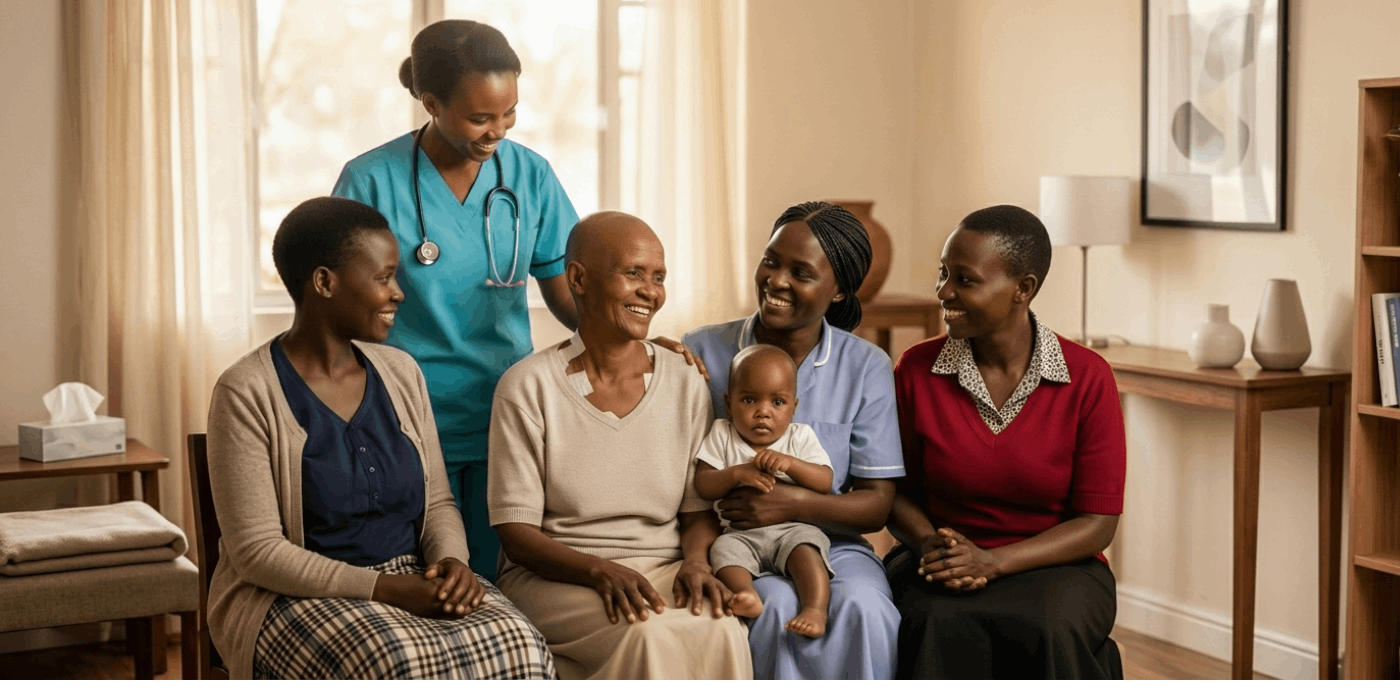 02
02
Structured training programs equipping family members and informal caregivers with the practical skills, emotional tools, and knowledge to provide effective, sustainable care at home. Family counseling sessions address the relational strain that chronic illness places on households. The Center recognizes that when a family member has an NCD, the whole family is affected — and the whole family deserves support, education, and a space to process the experience together.
Learn more →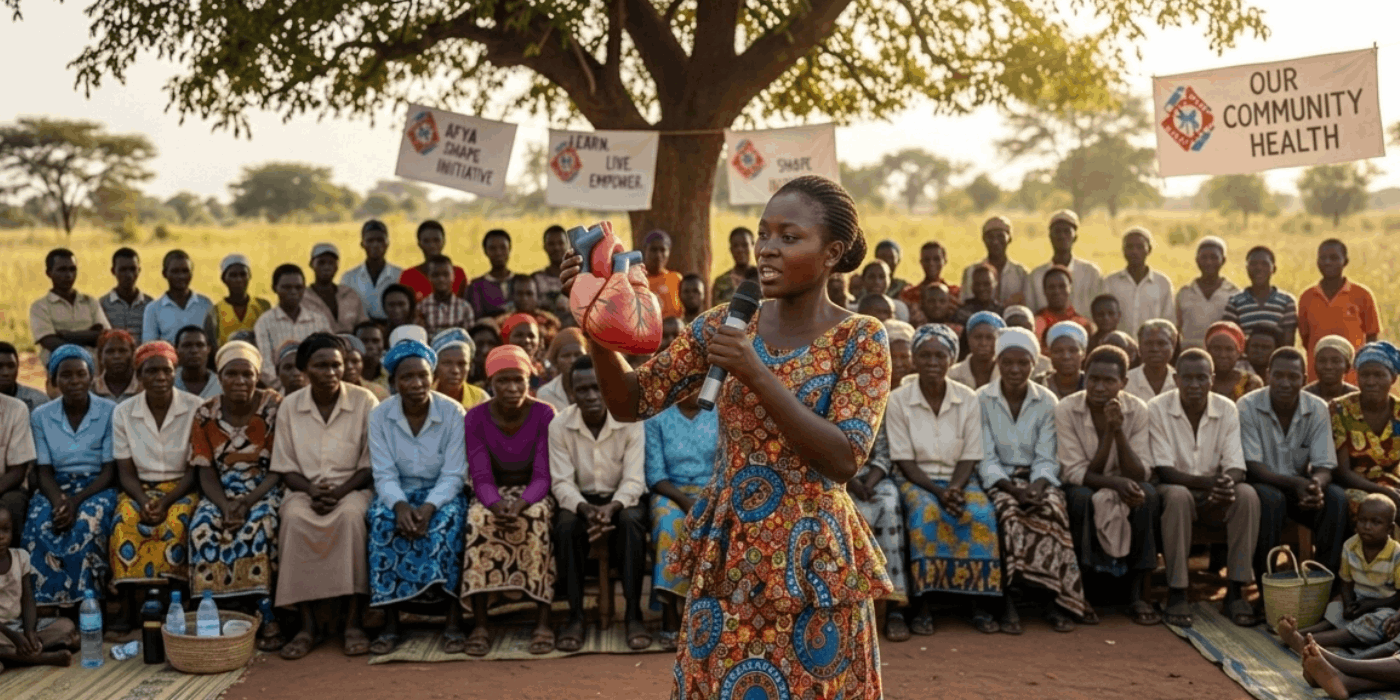 03
03
Community health promoters, trained volunteers, and partner organizations extending the Center's support reach deep into villages, markets, schools, and faith communities. Training programs build local capacity for NCD awareness, first-line support, and care navigation — ensuring that support is not dependent on a physical visit to the Center but is embedded in the everyday fabric of community life across Khwisero and beyond.
Learn more → 04
04
The voices of people living with NCDs in Western Kenya must be heard at county and national policy tables. The Kenya NCD Resource and Support Center contributes to Kenya's NCD policy landscape through data, community voices, and active engagement with government and health sector stakeholders. The Center's work generates local evidence, amplifies patient perspectives, and advocates for the structural changes needed to make NCD care equitable, accessible, and funded at scale.
Learn more →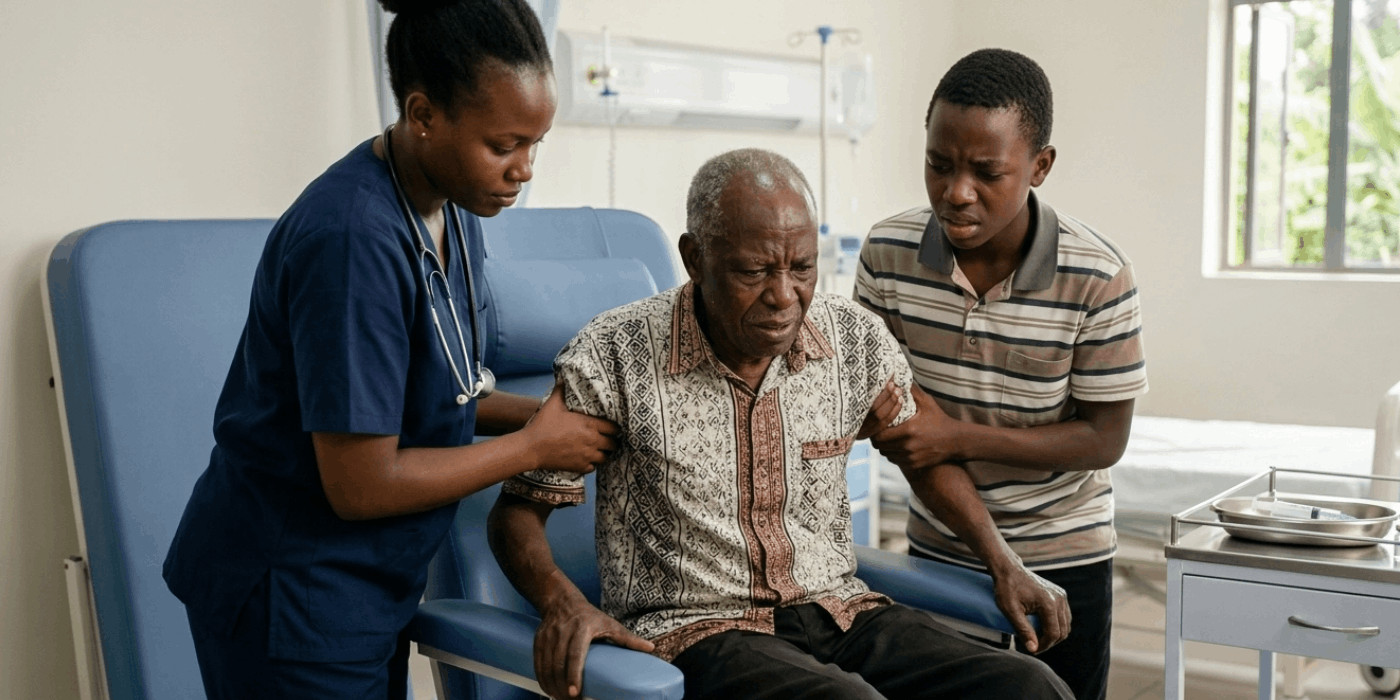 05
05
Compassionate care for people living with advanced or life-limiting NCDs — focused on comfort, dignity, and quality of life rather than cure. Pain and symptom management, emotional and spiritual accompaniment, and support for families navigating end-of-life care. Palliative care is not about giving up — it is about ensuring that every stage of life, including its final chapter, is lived with dignity, comfort, and the presence of people who care. This is a profoundly underserved need in rural Kenya.
Learn more →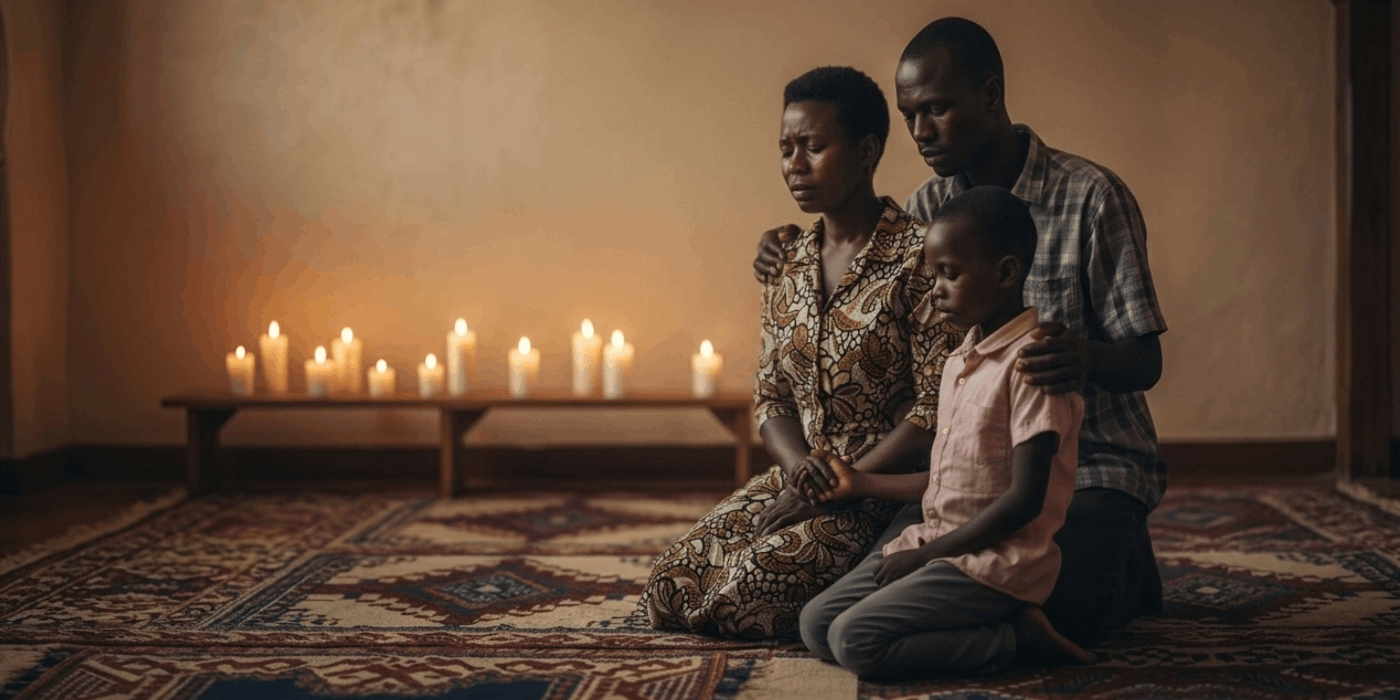 06
06
Dedicated spaces and structured programs for spiritual reflection, emotional processing, and inner healing — open to people of all faiths and backgrounds. Meditation gardens, quiet reflection spaces, chaplaincy services, and group spiritual wellness sessions recognize that chronic illness raises profound questions about meaning, hope, and identity. Healing is never purely physical. The Center creates space for the whole person — body, mind, and spirit — to find rest, renewal, and peace.
Learn more →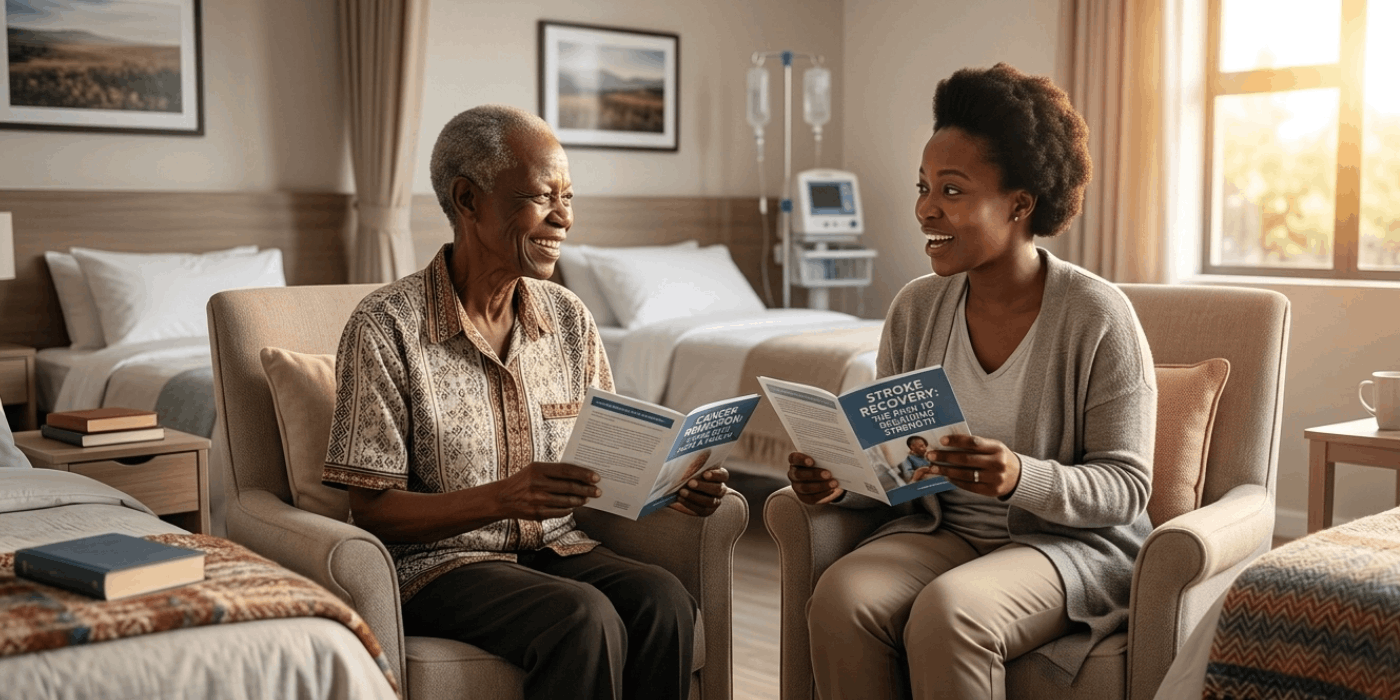 07
07
Short-stay accommodation at the Center for patients traveling from remote areas for multi-day treatment programs, and respite stays for caregivers who need a temporary, supported break. A peaceful recovery environment with nutritious meals, gentle activities, and access to all Center support services. Distance should never be a barrier to care — and caregiver exhaustion should never be the reason a person with an NCD goes unsupported. The Center's accommodation removes both obstacles.
Learn more →The Human Dimensions of Chronic Illness
Clinical care keeps people alive. Support helps them live. The evidence is unambiguous: people with NCDs who have strong social and psychosocial support have better medication adherence, fewer complications, lower hospitalization rates, and significantly better quality of life.
Mental Health & NCDs
1 in 3 people with a chronic illness experiences depression or anxiety — yet mental health support in NCD care is almost entirely absent in Kenya
Families Carry the Burden
Over 80% of NCD care in low-income settings is provided by unpaid family caregivers — who receive little training, support, or recognition
Adherence Through Connection
Patients with strong peer and community support are significantly more likely to adhere to medication and lifestyle changes that keep NCDs manageable
Systemic Change
Community-level support and national advocacy build the policy environment, local capacity, and cultural norms that make long-term NCD resilience possible
Support That Travels
Beyond the Center's Walls
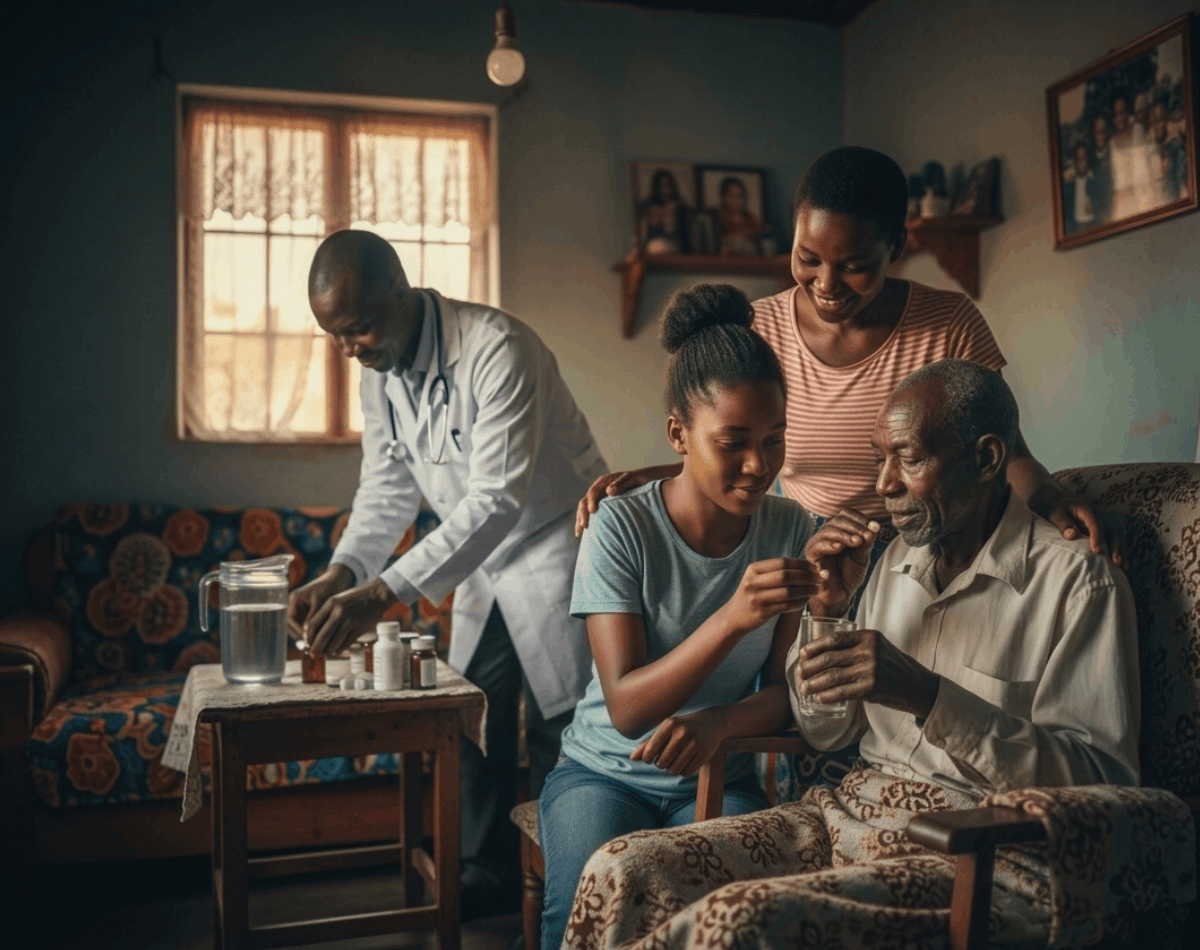
The Kenya NCD Resource and Support Center serves as the anchor of an extensive support network — but our reach does not stop at its gates. Trained community health promoters, volunteer peer supporters, and partner organizations extend every program into homes, villages, schools, and faith communities across Khwisero and Kakamega County.
Support is most powerful when it is woven into the everyday fabric of life — not reserved for a scheduled appointment. The Center trains and equips community members to be first-line support for people living with NCDs in their own neighborhoods, ensuring that no one has to wait for help and no one faces a crisis without someone nearby who knows what to do.
At the national level, the Center contributes to Kenya's NCD response through data, advocacy, and active participation in policy forums — ensuring that the voices and needs of communities in Western Kenya shape the national agenda.
Explore how we provide integrated, coordinated care for those living with NCDs
← Support the MissionHelp us build the Kenya NCD Resource and Support Center — the facility that makes all of this possible
→ All ProgramsReturn to the Programs overview and see how all three pillars work together as one integrated model
→