
Support · Program 03

Support That Lives
in the Community

Building local NCD capacity so that every village, school, and church becomes part of the care system

The Kenya NCD Resource and Support Center can serve only as many people as can reach its doors — unless it deliberately extends itself into the community. Community Outreach, Engagement and Capacity-Building is the program that makes the Center's reach limitless: training community members to become first-line NCD supporters, embedding health literacy into existing community structures, and ensuring that the people who need support most are found, engaged, and connected — wherever they are.

Villageto village — no community left behind
CHPstrained community health promoters
Schoolschurches, markets & barazas reached
Localleaders as health champions
What This Program Does

Taking the Center
into Every Corner

Community Outreach, Engagement and Capacity-Building extends the Kenya NCD Resource and Support Center's impact beyond its physical walls — into schools, markets, churches, mosques, village barazas, and homes across Khwisero sub-county and surrounding areas. It is how the Center ensures that distance, mobility, and awareness barriers do not prevent people from accessing support.

At the heart of the program is a network of trained Community Health Promoters (CHPs) — local men and women selected from the communities they serve, equipped with NCD knowledge, communication skills, and practical tools to identify people at risk, connect them to the Center's services, and provide first-line support in their own neighborhoods.

CHPs are not simply referral agents. They are trusted community members who know their neighbors' situations, speak their languages, share their cultural context, and show up consistently over time. Their presence in a community dramatically increases health-seeking behavior, medication adherence, and participation in screening and support programs — far beyond what any clinic-based intervention can achieve alone.
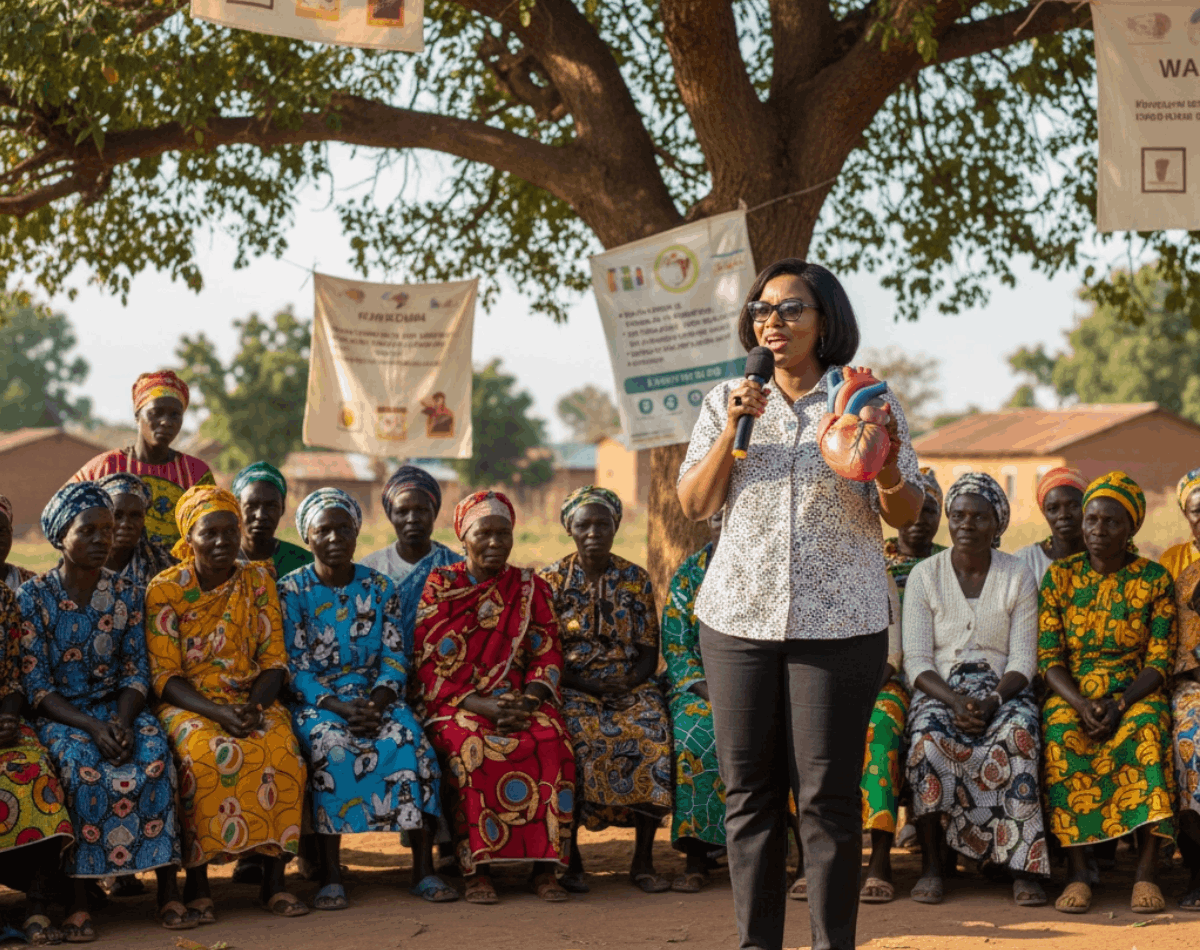
Community outreach and engagement
Support embedded in every community
What We Do

Capacity Built at Every Level

🏘️Community Health PromotersTrained local volunteers conducting home visits, NCD awareness sessions, medication adherence checks, and referrals — building a permanent community-based support network
🏫School ProgramsNCD education integrated into school curricula and extracurricular activities — reaching the generation that will carry healthy norms forward and influencing family habits at home
Faith Community PartnershipsTraining pastors, imams, and faith leaders as health champions — using trusted religious networks to spread NCD awareness and reduce stigma around chronic illness
👑Leader EngagementChiefs, village elders, women's group leaders, and community council members trained and engaged as advocates — normalising health-seeking and NCD self-care across entire communities
🤝Partner Organisation TrainingCapacity-building for local NGOs, CBOs, and health facility staff — extending the Center's NCD expertise into existing community structures and health system touchpoints
📊Community Data CollectionCHPs collect community-level NCD data feeding into the Center's evidence base and national advocacy work — making local voices visible in policy discussions
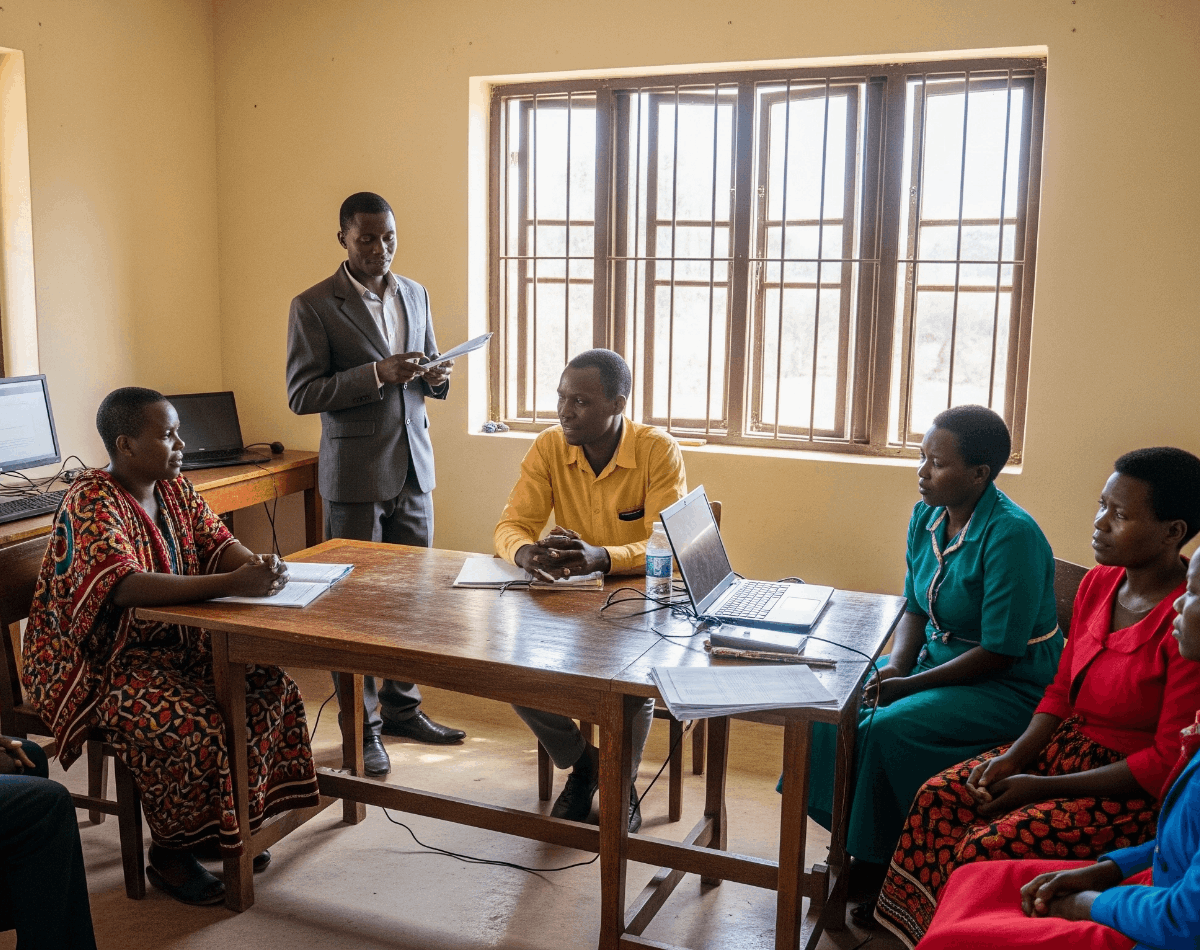
Community engagement and training
Communities trained to care for their own
Why It Matters

The Community Is
the Health System

In rural Kenya, the community is not peripheral to the health system — it is the primary health system. Most people's first response to illness is shaped by their community: what their neighbors tell them, what their pastor says, what the village elder recommends. If those community voices are equipped with accurate NCD knowledge and connected to quality care, health outcomes improve dramatically. If they are not, misinformation and delayed care-seeking persist regardless of how good the facility-based services are.

Community health programs are among the most cost-effective health investments available. A single trained CHP can positively influence the health behavior of dozens of households over months and years — at a fraction of the cost of any clinical intervention.

The Kenya NCD Resource and Support Center is not designed to be an island of excellence surrounded by an uninformed community. It is designed to be the hub of a living community health network — one that grows stronger, more knowledgeable, and more self-sustaining with every year of operation.