Prevention · Program 04

Knowledge is the
First Medicine

Building community understanding of NCDs through culturally rooted education and open dialogue

You cannot act on what you do not understand. Across Western Kenya, widespread misconceptions about NCDs — that they only affect the elderly, the wealthy, or those with unhealthy lifestyles — delay diagnosis, discourage help-seeking, and allow preventable disease to progress unchecked. The Kenya NCD Resource and Support Center's Health Literacy and Awareness program changes this — placing knowledge directly in the hands of communities, in the languages they speak, through the voices they trust.

Locallanguages, local messengers
Barazastyle — open dialogue, not lectures
Faithleaders & teachers as health champions
Schoolprograms reaching the next generation
What This Program Does

Turning Communities into
NCD-Aware Champions

The NCD Health Literacy and Awareness program delivers structured yet conversational education sessions across the Center and throughout the community. Sessions are designed around the baraza model — open, participatory gatherings where questions are welcomed, experiences are shared, and knowledge flows in all directions, not just from expert to audience.

Content is delivered in simple, accessible language — Swahili and local dialects where appropriate — and tailored to the specific concerns and questions of each community. A market session will focus on food and lifestyle choices. A church gathering might explore the spiritual dimensions of caring for the body. A school session addresses young people's unique risks and responsibilities.

Critically, the program trains community health champions — teachers, faith leaders, local councillors, and trusted community figures — to carry health literacy messages far beyond the reach of the Center itself. When a pastor understands hypertension and speaks about it from the pulpit, or when a teacher incorporates NCD awareness into the school curriculum, the program's impact multiplies exponentially.
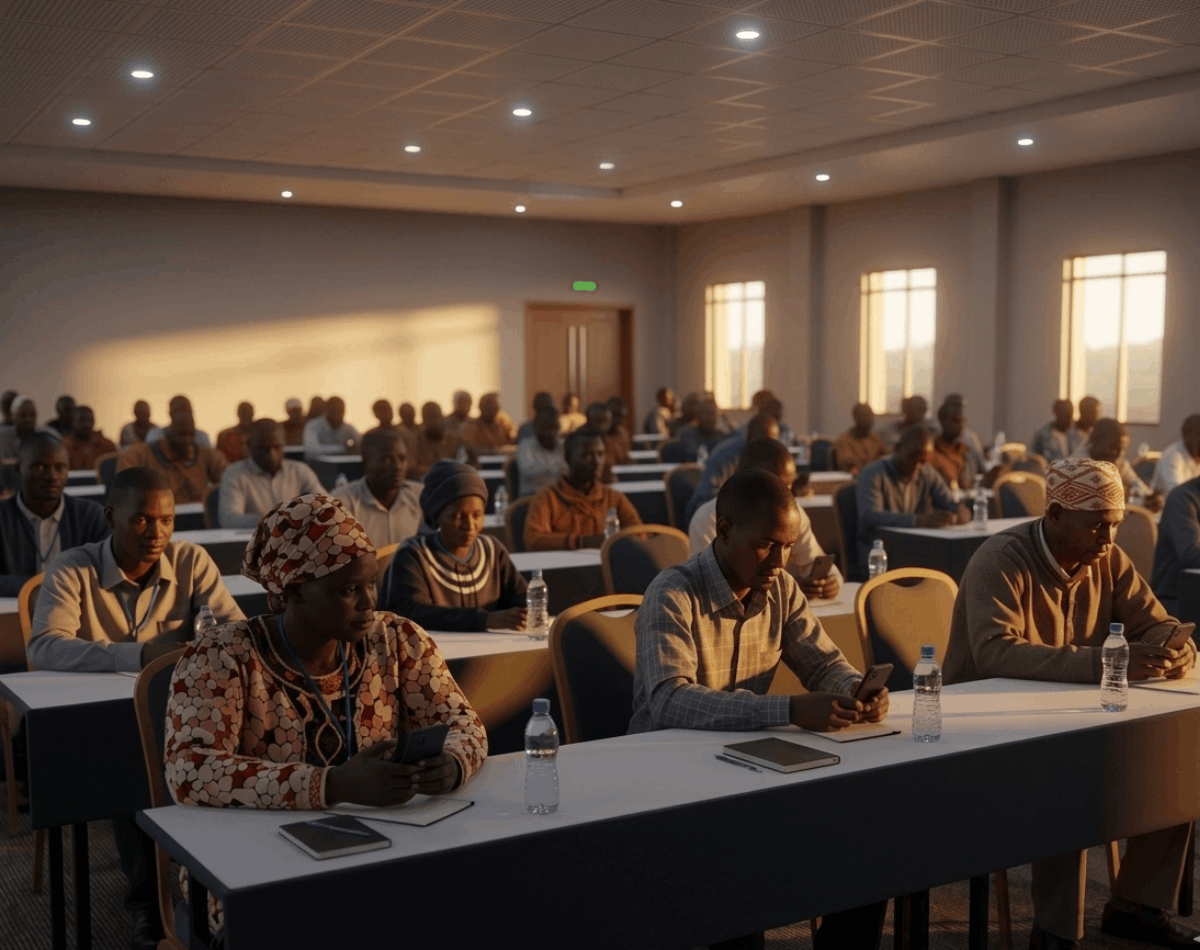
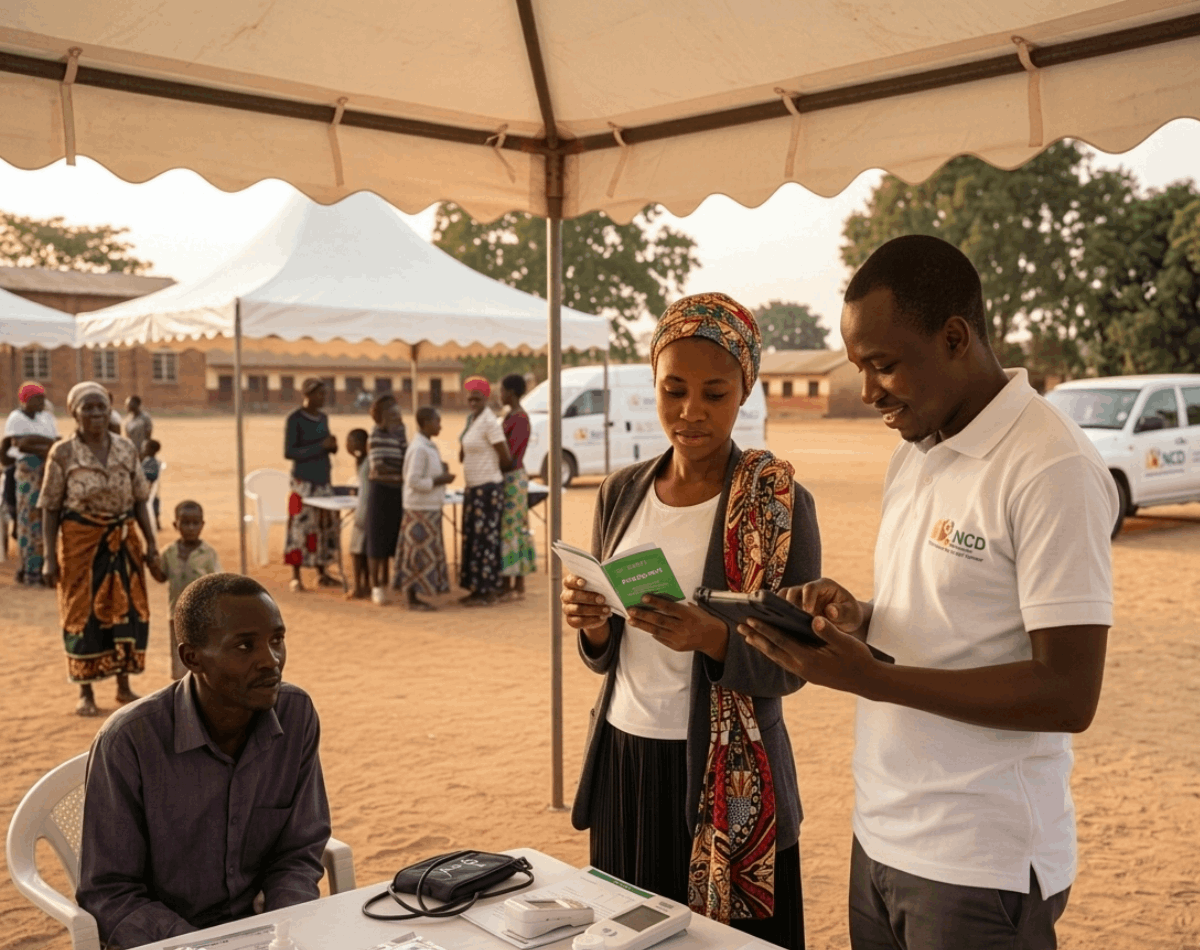
Health literacy community session
Knowledge shared openly is the first medicine
What We Teach

Covering the Full Spectrum of NCD Knowledge

Topics are adapted for different audiences — from primary school children learning about food and movement, to adults understanding their blood pressure results, to elders exploring the relationship between traditional practices and chronic disease prevention.

❤️What are NCDs?Plain-language explanations of the four main NCDs — cardiovascular disease, diabetes, cancer, and chronic respiratory conditions
⚠️Risk FactorsUnderstanding the modifiable risks — diet, inactivity, tobacco, alcohol — and how everyday choices accumulate over time
🔍Early Warning SignsRecognising the symptoms that should never be ignored, and when to seek care immediately
🧠Mental HealthThe connection between stress, mental well-being, and NCD risk — destigmatising mental health in the context of chronic disease
🚫Substance UseThe NCD risks of tobacco and harmful alcohol use, delivered through peer education and community dialogue
🏥Navigating CareHow to use health services effectively, understand screening results, and access the Center's care pathway
Community health education
Education meets community where it lives
How & Where

Delivered Through the
Voices Communities Trust

The most powerful health messages are carried by trusted messengers — not by outsiders with clipboards, but by local figures who share the community's language, history, and values. The Center deliberately embeds health literacy into existing community structures rather than creating parallel systems that feel foreign or clinical.

Faith communities
🏫 Schools & colleges
🛒 Markets & trading centers
🏘️ Village barazas
📻 Community radio
🏥 Health facilities
🎭 Drama & storytelling
🏢 Workplaces