
Support · Program 02

The People Who
Show Up Every Day

Training, counseling, and recognition for the family members and caregivers who carry the greatest NCD burden of all

Behind every person living with an NCD is a family — adjusting meals, managing medications, accompanying to appointments, providing night-time care, and absorbing the emotional weight of watching someone they love struggle with chronic illness. In Kenya, over 80% of NCD care is delivered by unpaid family members — yet they receive almost no training, support, or recognition. The Kenya NCD Resource and Support Center sees them, supports them, and equips them to sustain the care that makes everything else possible.

80%of NCD care delivered by families
Trainingpractical skills for home caregiving
Counselingfor the whole family — not just the patient
Respitebreaks & accommodation available
What This Program Does

Equipping the People
Who Show Up Every Day

Family and Caregiver Support at the Kenya NCD Resource and Support Center recognises that when someone has an NCD, the whole family has an NCD. Spouses adjust their cooking. Children take on household tasks. Siblings manage medical appointments. Parents watch their child struggle. The relational, financial, and emotional burden is shared — yet the support rarely is.

The program delivers structured training for family caregivers — covering medication management, dietary preparation, recognising warning signs and emergencies, safe physical support, and emotional care for someone with a chronic illness. These skills directly improve patient outcomes while reducing the anxiety and helplessness that caregivers often feel.

Family counseling sessions address the relational strain that chronic illness places on households — navigating role changes, grief, financial stress, and the complex emotions of caring for a loved one with a condition that may worsen over time. Families leave these sessions with tools, language, and a shared understanding that strengthens rather than strains their relationships.

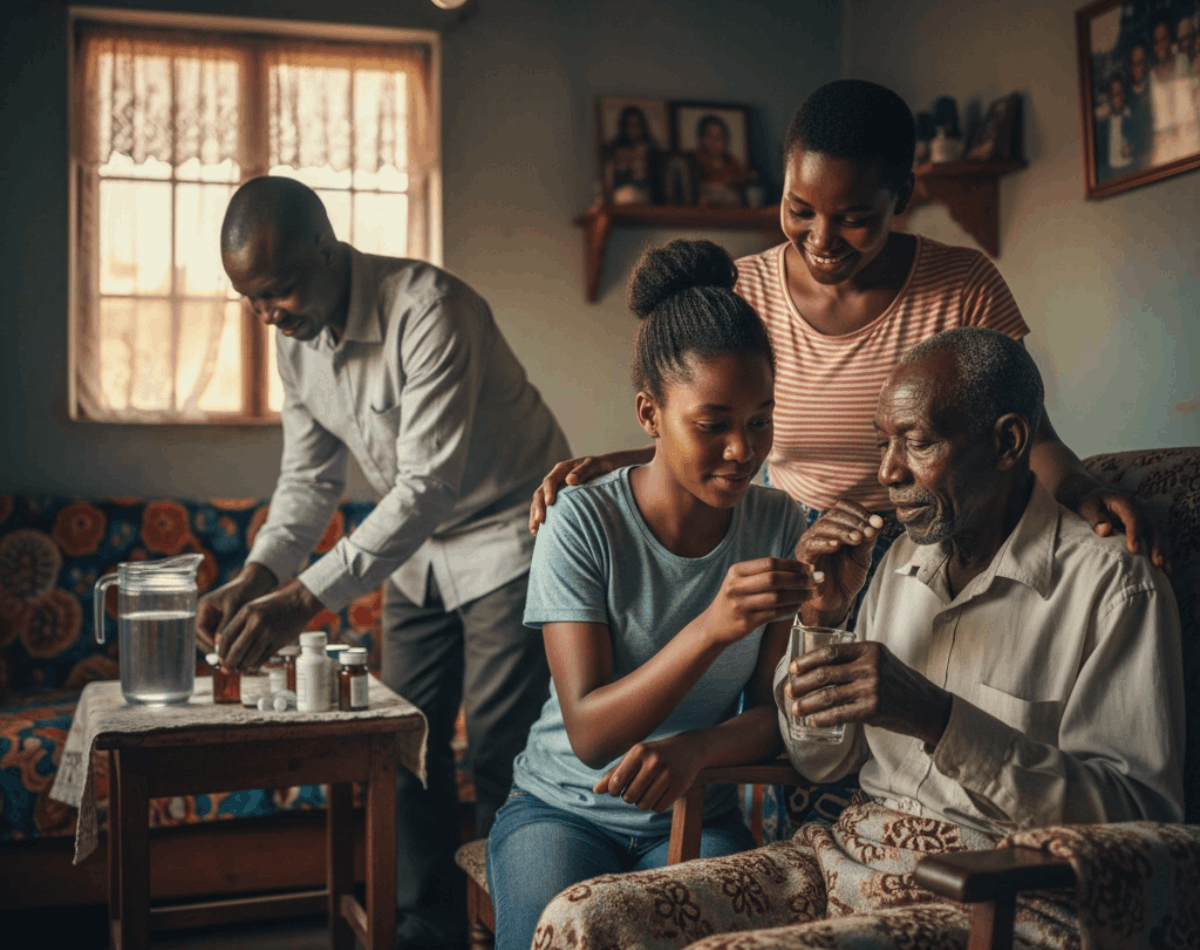
Family and caregiver support
The whole family — seen, trained, and supported
What We Offer

Support for Every Member of the Care Unit

📚Caregiver TrainingPractical workshops covering medication management, dietary preparation, emergency recognition, physical care, and communication — tailored to the specific NCD of the family member
🧠Family CounselingSessions addressing the relational, emotional, and psychological impact of chronic illness on the entire household — building communication, resilience, and shared understanding
🛌Respite SupportShort-term respite arrangements giving caregivers a rest — through the Center's guest accommodation and referral to respite services — preventing caregiver burnout
👥Caregiver Support GroupsPeer groups bringing caregivers together to share challenges, strategies, and encouragement — because caregivers need community as much as patients do
Family support and community
Families that are supported give better care
Why It Matters

Caregiver Burnout
is a Health Crisis

Caregiver burnout is a recognised medical phenomenon — and its consequences extend far beyond the caregiver themselves. When a primary caregiver reaches their limit, the quality of care they provide deteriorates, medication adherence drops, appointments are missed, and the patient's condition worsens. Supporting caregivers is not kindness for its own sake — it is one of the most effective interventions available for improving patient outcomes.

Research shows that trained caregivers are significantly more effective than untrained ones — they make fewer medication errors, recognise emergencies faster, communicate better with health professionals, and maintain their caregiving role for longer without burnout. A single family training session can have a measurable positive effect on patient outcomes for months.

At the Kenya NCD Resource and Support Center, the family is treated as part of the care team — not as a peripheral concern. Their training, well-being, and continuity of care are treated with the same seriousness as the patient's clinical management.