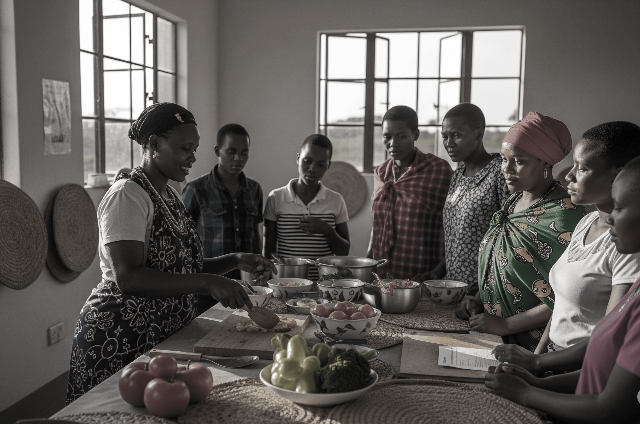
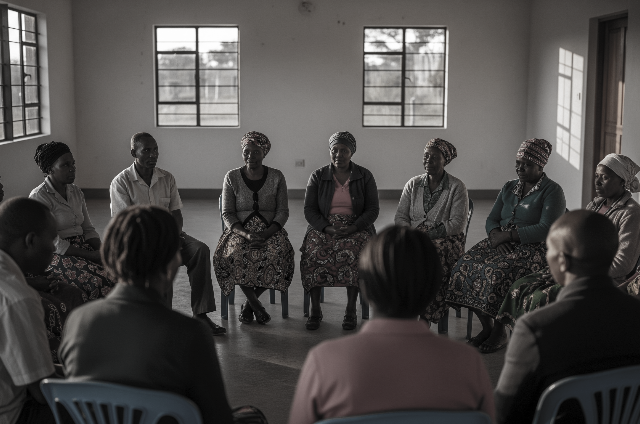
At the Kenya NCD Resource and Support Center, we are redefining how communities engage with the challenge of non-communicable diseases (NCDs). Our work is grounded in the belief that prevention, care, and support must be accessible, dignified, and community-driven.
We are developing a central hub for awareness, early detection, coordinated care, and psychosocial support—bridging the gaps between individuals, families, and health systems. Whether it’s helping someone get screened for hypertension, training a caregiver on diabetes management, or hosting community sports events to promote healthy living, our Center is designed to make NCD response a shared, everyday responsibility.
Our approach is built on three interconnected pillars:
NCD Prevention
Where we stop the onset of NCDs through lifestyle interventions, public engagement, and early screening.
NCD Management
Where we support people already living with NCDs through coordinated, holistic care
NCD Support
Where we walk with persons living with NCDs, caregivers, families, and communities through the emotional, social, and practical realities of long-term NCD journeys.
Together, these pillars form a model that is locally rooted, people-centered, and system-strengthening. It is not just about services—it is about shifting the culture of health in Kenya toward one of resilience, compassion, and collective action.
Key strategies for a healthier, more resilient community.
Why Prevention, Management, and Support Matter
A Key to Healthier Lives
Prevention is Key to Healthier Lives. Over 80% of heart disease, stroke, type 2 diabetes, and some cancers are preventable with lifestyle changes and early action. Prevention saves costs, reaches more people, and builds a resilient society.
Positioning Within the Health System
We work alongside primary healthcare facilities, strengthening NCD care with strong referral pathways. By focusing on NCDs, we complement primary healthcare with specialized services that reduce strain.
Closing the NCD Care Gap
Over 70% of people with NCDs remain undiagnosed or untreated. Coordinated care reduces complications and acute hospital admissions, improving long-term health outcomes.
Transforming Support for NCDs
1 in 3 with chronic illness suffers from depression or anxiety. Psychosocial and community support improves well-being, making long-term management more effective.