
Noncommunicable diseases (NCDs) in Kenya are a growing public health concern, responsible for a rising number of illnesses and premature deaths. Unlike infectious diseases, noncommunicable diseases are not spread from person to person and often develop slowly due to lifestyle, environmental, and genetic factors.
What Are Noncommunicable Diseases?
Noncommunicable diseases refer to chronic conditions that require long-term management. In Kenya, the most common NCDs include:
-
Cardiovascular diseases (heart disease and stroke)
-
Diabetes
-
Cancer
-
Chronic respiratory diseases such as asthma
These conditions significantly affect quality of life and place a heavy burden on households and the healthcare system.
The Burden of Noncommunicable Diseases in Kenya
Noncommunicable diseases account for more than a third of all deaths in Kenya, with many occurring among people in their productive years. This has serious social and economic consequences, including loss of income, increased healthcare costs, and reduced national productivity.
Both urban and rural populations are affected. While urban areas face challenges linked to sedentary lifestyles and unhealthy diets, rural communities are increasingly exposed to processed foods, tobacco, and alcohol.
Key Risk Factors for NCDs in Kenya
Several factors contribute to the rise of noncommunicable diseases in Kenya:
-
Unhealthy diets high in sugar, salt, and unhealthy fats
-
Physical inactivity due to sedentary work and transport habits
-
Tobacco use and harmful alcohol consumption
-
Air pollution, including indoor smoke from solid fuels
-
Genetic predisposition and aging
Many of these risk factors are preventable, making awareness and behavior change critical.
Economic and Social Impact
The cost of managing noncommunicable diseases in Kenya is high. Families often pay out of pocket for medication, regular check-ups, and hospital visits, which can lead to financial hardship. At the national level, NCDs increase healthcare expenditure and reduce workforce productivity.

Prevention and Control of Noncommunicable Diseases in Kenya
Preventing noncommunicable diseases requires action at individual, community, and government levels. Key prevention strategies include:
-
Eating balanced diets rich in fruits and vegetables
-
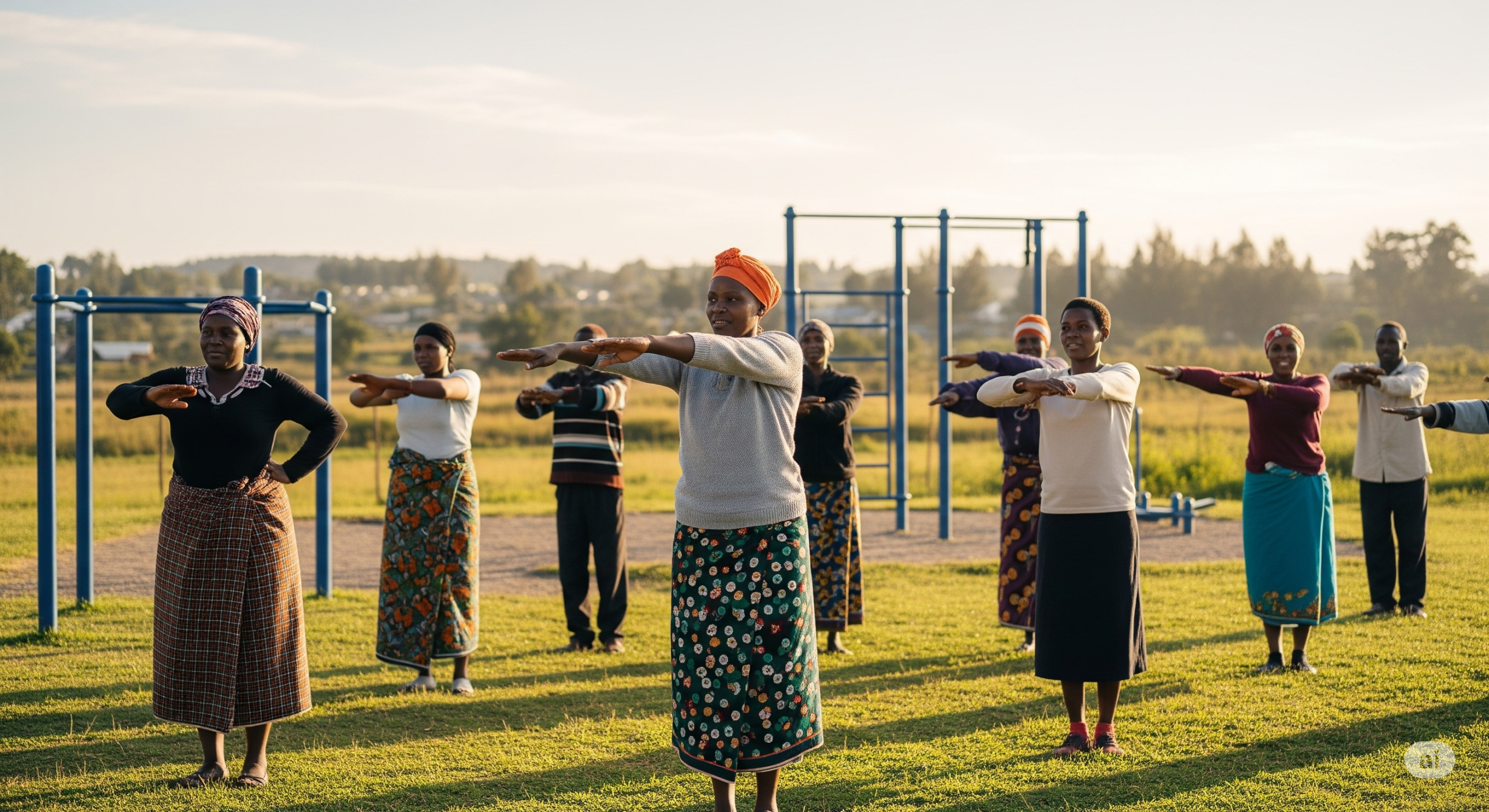
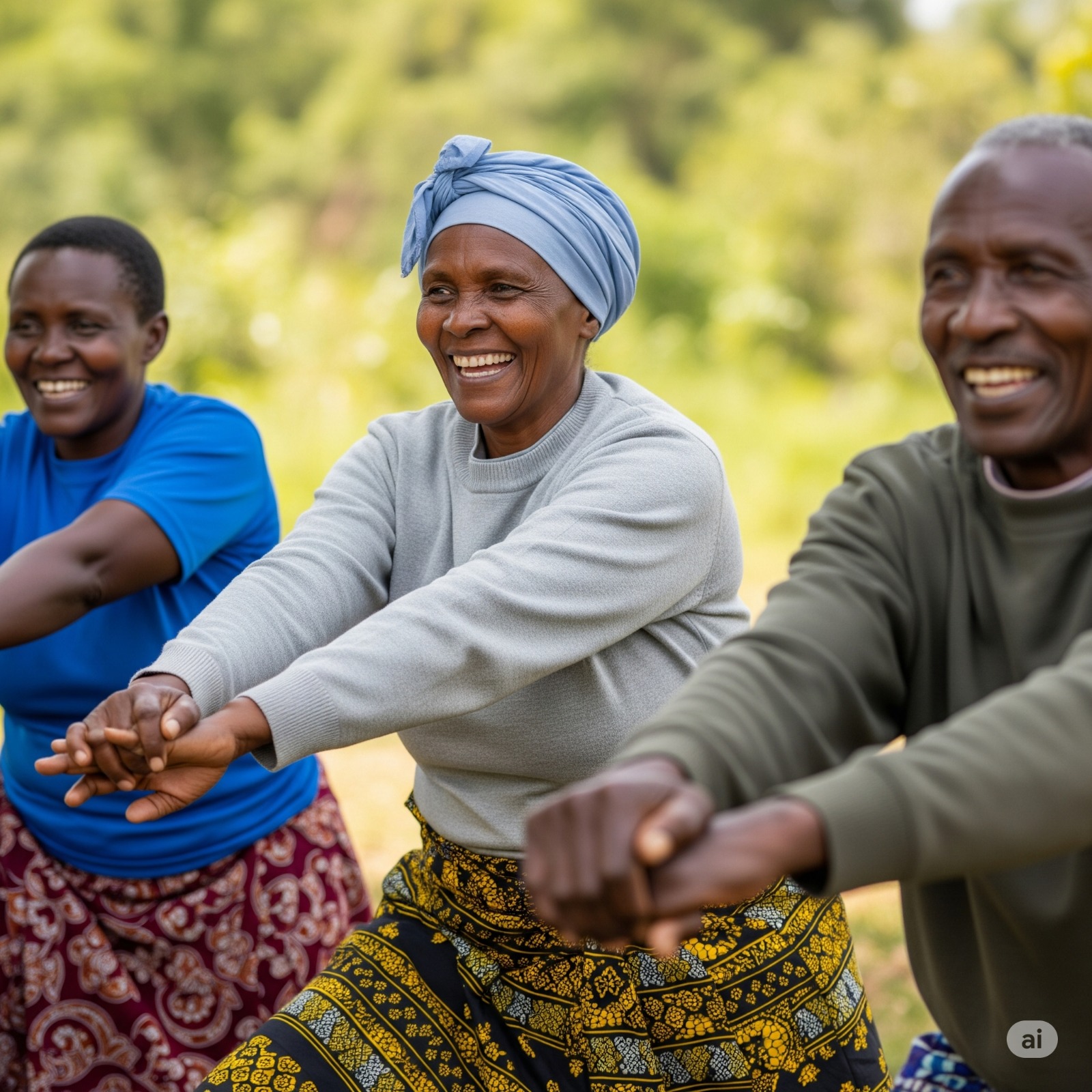
Engaging in regular physical activity
-
Avoiding tobacco and limiting alcohol consumption
-
Regular screening for blood pressure, diabetes, and cancer
-
Strengthening primary healthcare services for early diagnosis and treatment
Conclusion
Noncommunicable diseases in Kenya are a major and growing challenge, but they are largely preventable. Through lifestyle changes, public education, and stronger healthcare systems, Kenya can reduce the burden of NCDs and improve long-term health outcomes for its population.