Non-communicable diseases (NCDs) such as diabetes, hypertension, cancer, and chronic respiratory illnesses are increasingly affecting rural communities in Kenya. While NCDs were once considered an urban problem, changing lifestyles, limited health information, and weak healthcare access have made rural populations equally vulnerable. Improving NCD awareness in rural Kenya is critical to early detection, prevention, and better health outcomes.
The Growing NCD Challenge in Rural Areas
Rural Kenya faces a silent rise in non-communicable diseases. Many cases go undiagnosed until complications occur because symptoms often develop slowly and health-seeking behavior is low. Long distances to health facilities, shortages of medical personnel, and limited diagnostic services further delay detection and treatment.
As a result, many rural families only discover NCDs when they have reached advanced stages, leading to higher treatment costs and poorer outcomes.
Low Awareness and Limited Health Information
One of the biggest barriers to addressing NCDs in rural Kenya is low awareness. Many people are unfamiliar with the causes, symptoms, and long-term effects of chronic diseases. Conditions such as high blood pressure or diabetes may be perceived as temporary illnesses rather than lifelong conditions requiring continuous management.
Misconceptions and cultural beliefs can also affect how NCDs are understood. Some illnesses are attributed to aging, stress, or non-medical causes, discouraging early screening and proper treatment.
Key Risk Factors in Rural Communities
Several factors contribute to the rise of NCDs in rural Kenya:
-
Poor nutrition due to limited dietary diversity
-
Increasing consumption of processed foods and sugary drinks
-
Tobacco use and harmful alcohol consumption
-
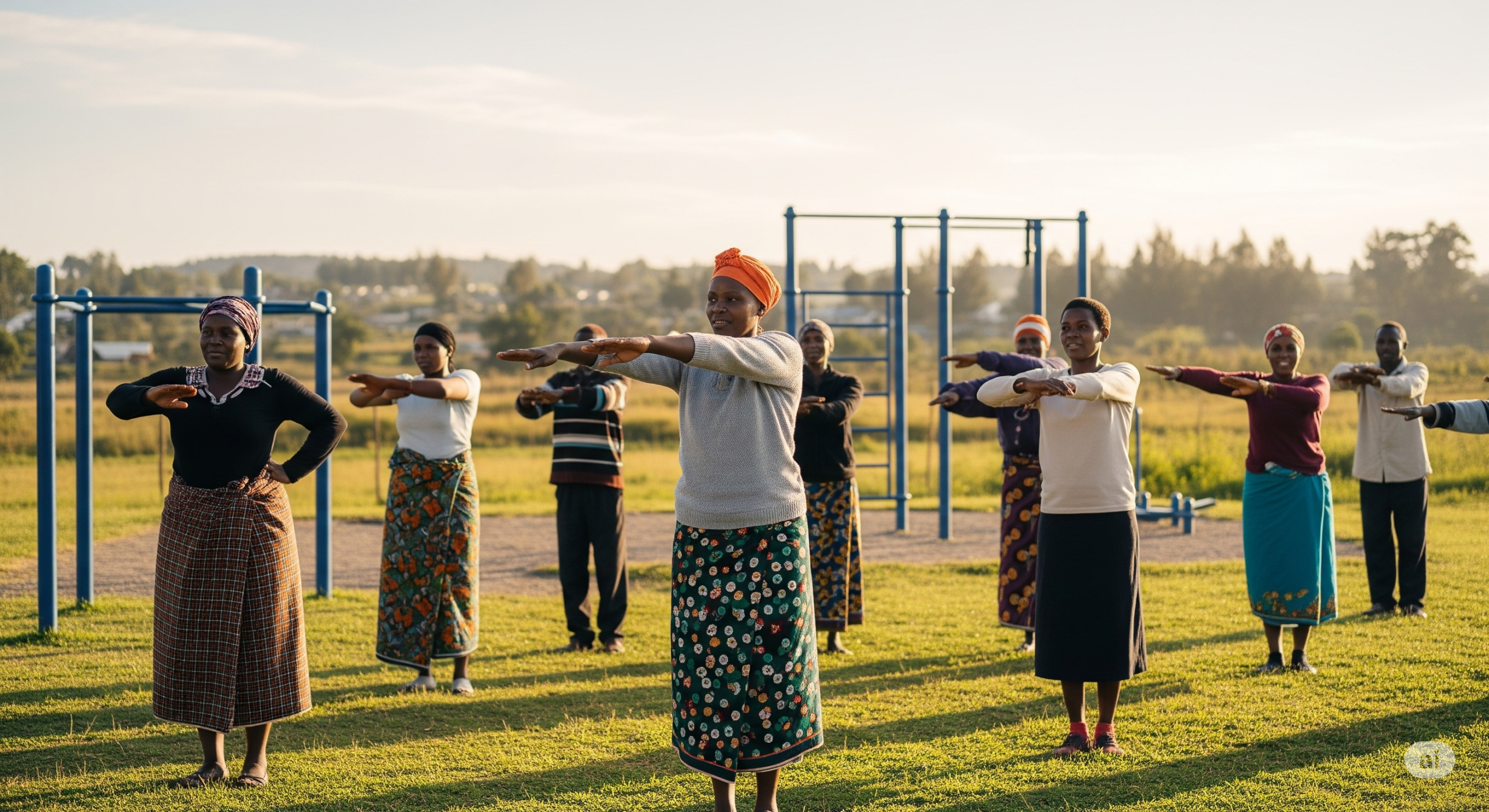
Reduced physical activity due to mechanization and lifestyle changes
-
Indoor air pollution from firewood and charcoal use
Without adequate awareness, these risk factors often go unrecognized.
Importance of NCD Awareness in Rural Kenya
Raising awareness empowers individuals and communities to take preventive action. When people understand NCD risk factors and symptoms, they are more likely to adopt healthier lifestyles, seek early screening, and adhere to treatment.
Awareness also helps reduce stigma around chronic illnesses, encourages community support, and improves long-term disease management.
Role of Community Health Workers
Community Health Promoters (CHPs) play a vital role in NCD awareness in rural Kenya. As trusted members of the community, they can:
-
Educate households on NCD prevention and healthy living
-
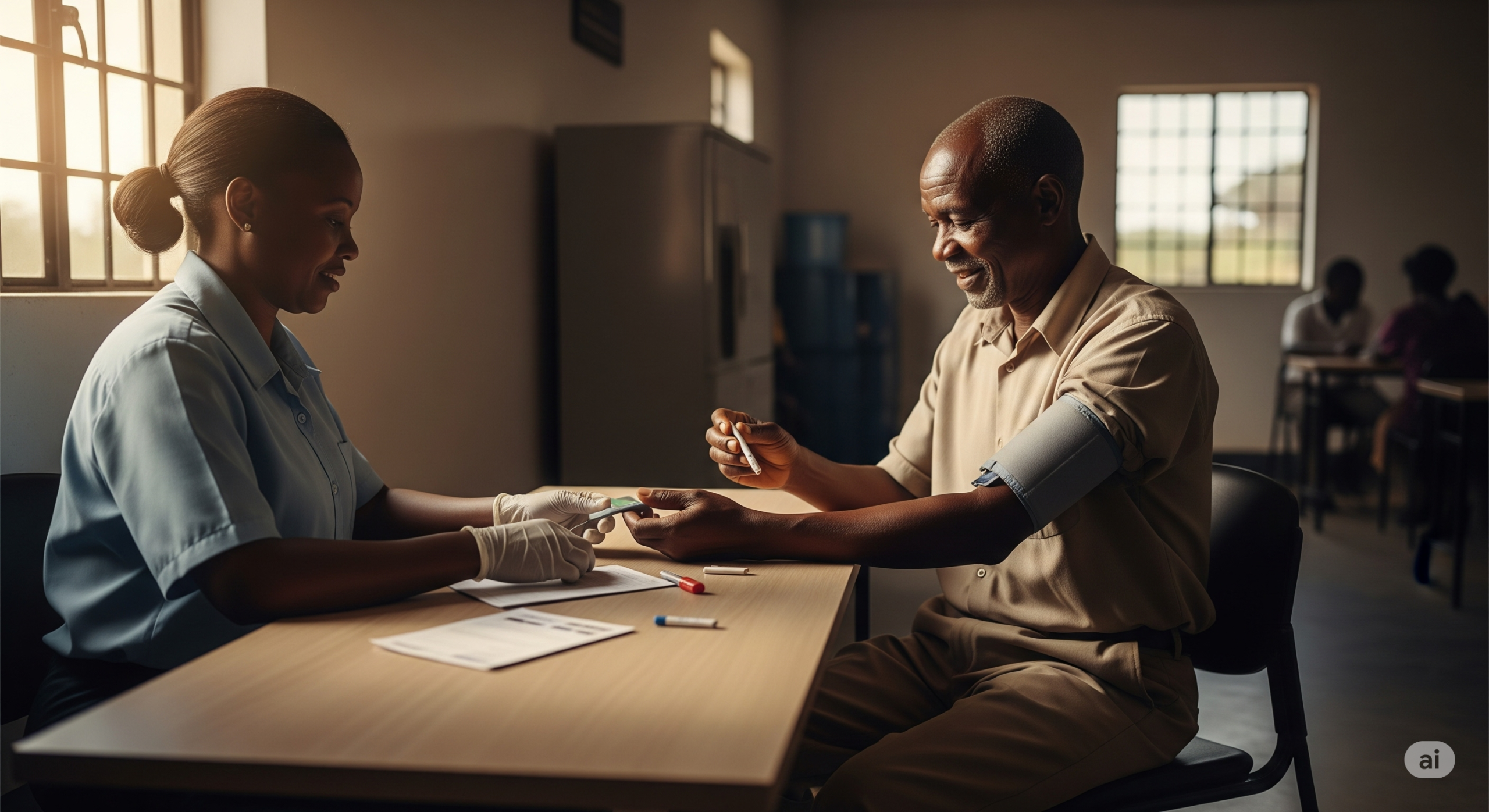
Encourage regular screening for blood pressure and blood sugar
-
Support patients with treatment adherence and follow-up
-
Refer complicated cases to health facilities
Strengthening community health systems is one of the most effective ways to reach rural populations.
Schools, Faith-Based, and Community Institutions
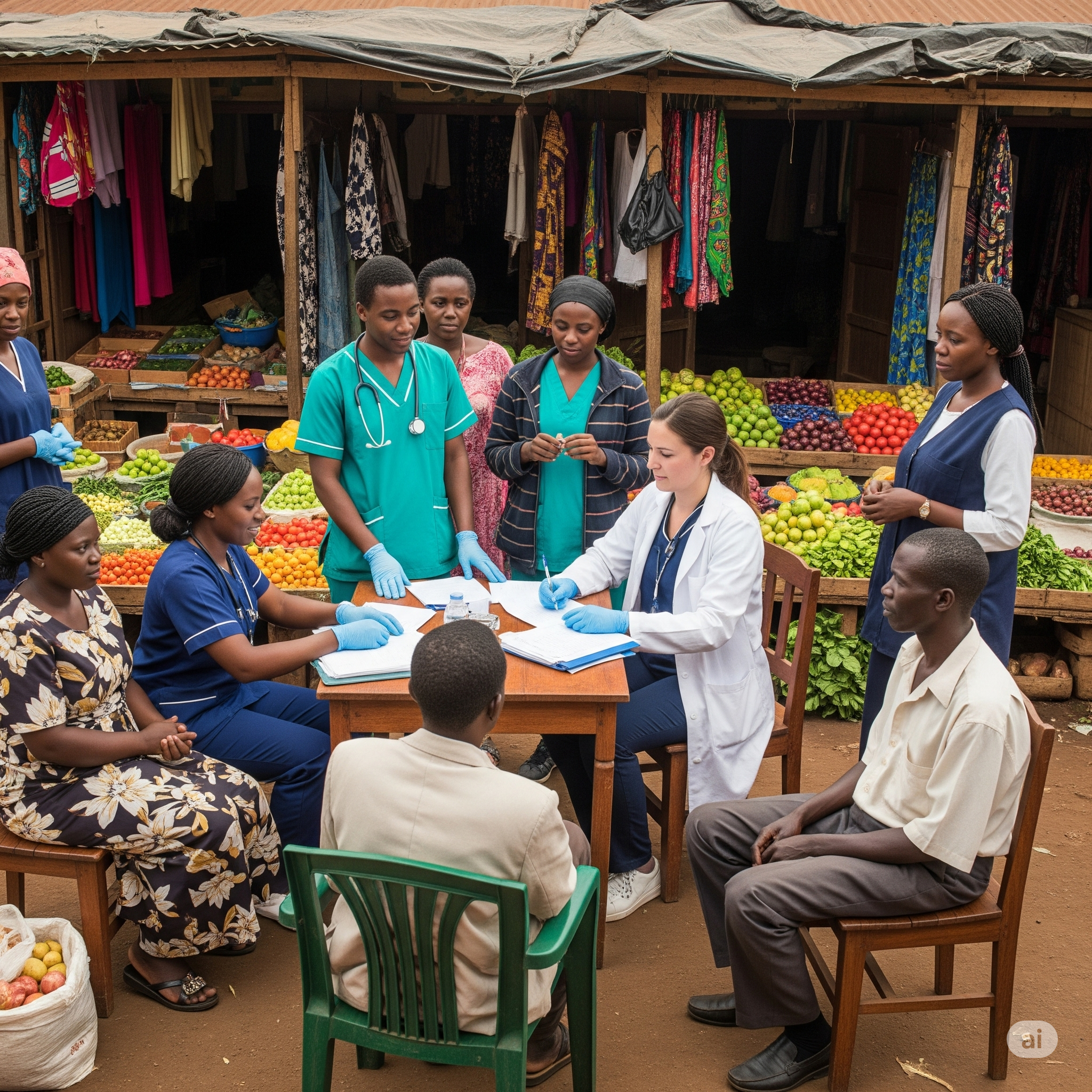
Schools, churches, mosques, and local groups are powerful platforms for spreading NCD awareness. Health talks, community forums, and outreach programs can deliver simple, culturally relevant messages about healthy diets, physical activity, and regular check-ups.
Engaging local leaders increases trust and acceptance of health messages.
Using Media and Local Languages
Radio remains one of the most effective communication tools in rural Kenya. Broadcasting NCD awareness messages in local languages helps reach a wide audience, including those with low literacy levels. Mobile phone messaging and community barazas can also support awareness efforts.
The Way Forward
Improving NCD awareness in rural Kenya requires coordinated efforts from government, NGOs, county health departments, and communities. Key actions include:
-
Integrating NCD education into primary healthcare and outreach programs
-
Expanding screening services at dispensaries and health centers
-
Training and supporting community health workers
-
Promoting affordable, healthy lifestyle choices
-
Strengthening referral and follow-up systems
Conclusion
NCD awareness in rural Kenya is essential to reducing preventable illness, disability, and poverty. By investing in education, community-based approaches, and accessible healthcare services, Kenya can protect rural populations from the growing burden of non-communicable diseases and improve overall community wellbeing.