
Hypertension, commonly known as high blood pressure, is one of the leading public health challenges in Kenya. It is a major risk factor for cardiovascular diseases such as stroke, heart failure, and kidney disease. Effective hypertension management in Kenya is essential to reduce preventable illness, disability, and premature death.
The Hypertension Situation in Kenya
Hypertension affects millions of Kenyans, many of whom are unaware of their condition. Because high blood pressure often has no obvious symptoms, it is frequently referred to as a “silent killer.” A large proportion of cases are diagnosed late, often after complications such as stroke or heart attack have already occurred.
Both urban and rural populations are affected. Urbanization, dietary changes, reduced physical activity, and stress have increased risk in cities, while limited access to screening and health services contributes to poor control in rural areas.
Key Components of Hypertension Management in Kenya
Effective hypertension management involves a combination of early detection, lifestyle modification, medication, and long-term follow-up.
1. Screening and Early Diagnosis
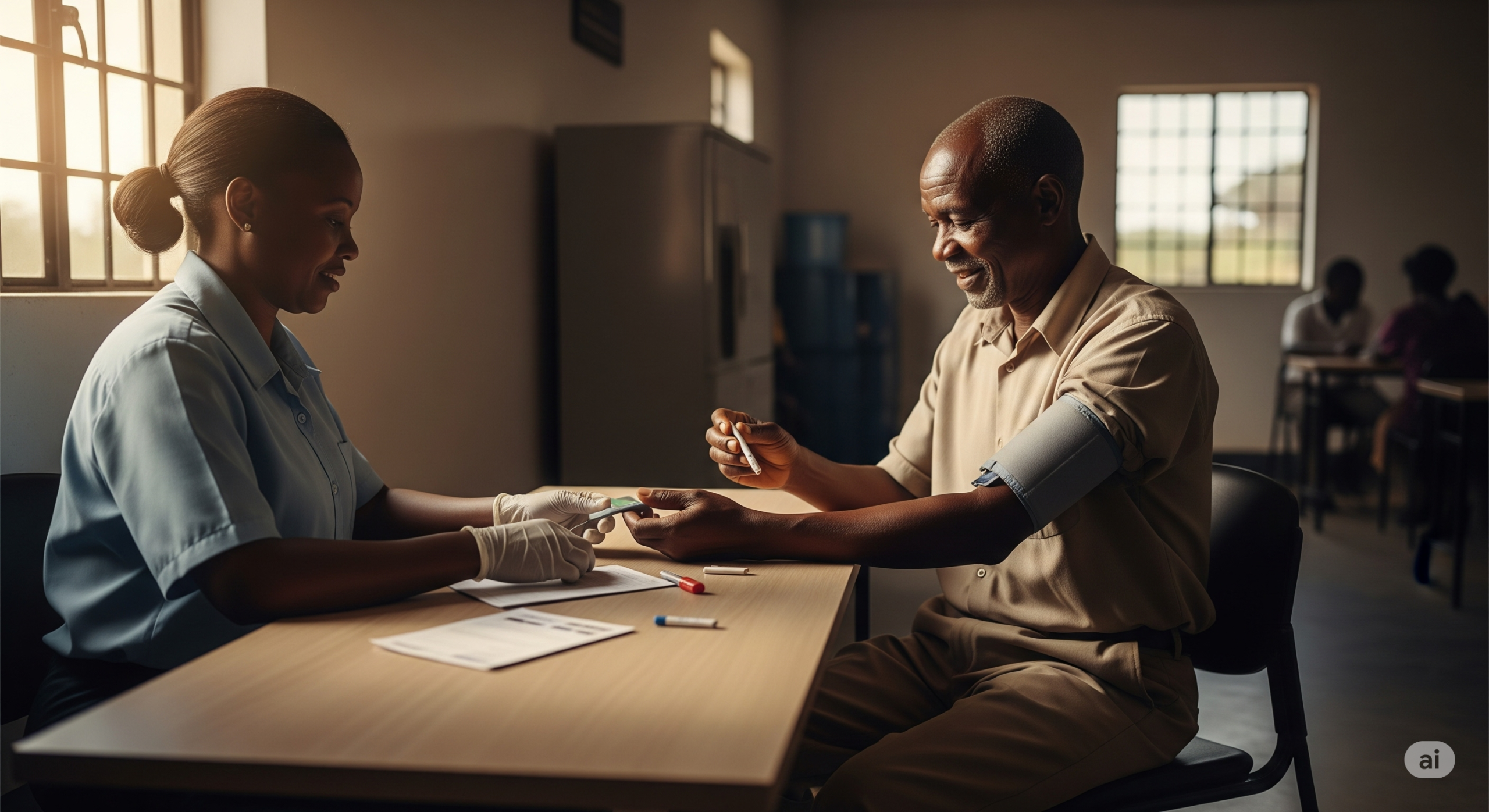
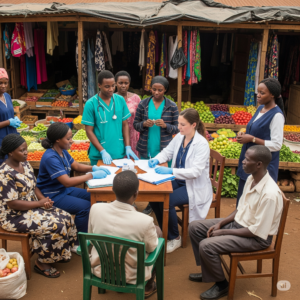
Routine blood pressure screening is the foundation of hypertension management. In Kenya, screening is conducted in public and private health facilities, community outreaches, workplaces, and faith-based settings. Expanding community-based screening helps identify individuals with high blood pressure early, before complications develop.
2. Lifestyle Modification
Lifestyle changes are a critical first step in managing hypertension and are recommended for all patients. These include:
-
Reducing salt intake
-
Eating balanced diets rich in fruits and vegetables
-
Maintaining a healthy body weight
-
Engaging in regular physical activity
-
Avoiding tobacco use
-
Limiting alcohol consumption
-
Managing stress
Promoting affordable, locally available food options and active daily routines makes lifestyle modification more achievable for Kenyan households.
3. Medication and Clinical Management
For many patients, lifestyle changes alone are not sufficient, and antihypertensive medication is required. Kenya’s national treatment guidelines recommend standardized treatment protocols to improve consistency of care.
Public health facilities provide essential hypertension medicines, but access can be inconsistent due to stock-outs. When medicines are unavailable, patients are often forced to buy them privately, increasing out-of-pocket costs and reducing treatment adherence.
4. Treatment Adherence and Follow-Up
Long-term adherence to medication and clinic appointments is one of the biggest challenges in hypertension management in Kenya. Common barriers include:
-
Cost of medication and transport
-
Lack of understanding that hypertension requires lifelong treatment
-
Side effects of medication
-
Cultural beliefs and misconceptions
Patient education, counseling, and regular follow-up are essential to improve blood pressure control.
Role of Primary Healthcare and Community Systems
Primary healthcare facilities play a central role in hypertension management. Integrating blood pressure screening, counseling, and treatment into routine outpatient services improves access and continuity of care.
Community Health Promoters support hypertension management by:
-
Encouraging regular blood pressure checks
-
Supporting treatment adherence at household level
-
Referring patients to health facilities
-
Providing health education on lifestyle changes
Community-based follow-up is particularly important for older adults and people in rural areas.
Challenges in Hypertension Management in Kenya
Despite progress, several challenges persist:
-
Low awareness and late diagnosis
-
Inconsistent availability of essential medicines
-
Limited health insurance coverage
-
Shortage of trained healthcare workers
-
Weak referral and follow-up systems
These gaps contribute to poor blood pressure control and increased complications.
Opportunities and the Way Forward
Improving hypertension management in Kenya requires coordinated action across multiple levels. Key priorities include:
-
Scaling up community-based screening and early detection
-
Strengthening primary healthcare services and medicine supply chains
-
Standardizing treatment protocols across facilities
-
Expanding health insurance coverage for chronic disease care
-
Enhancing patient education and community engagement
-
Using digital tools for patient tracking and follow-up
Conclusion
Hypertension management in Kenya is a critical component of non-communicable disease control. While the burden is high, effective management is achievable through early detection, affordable treatment, lifestyle modification, and strong primary and community health systems. Investing in comprehensive hypertension care will save lives, reduce healthcare costs, and improve the overall wellbeing of Kenyan communities.