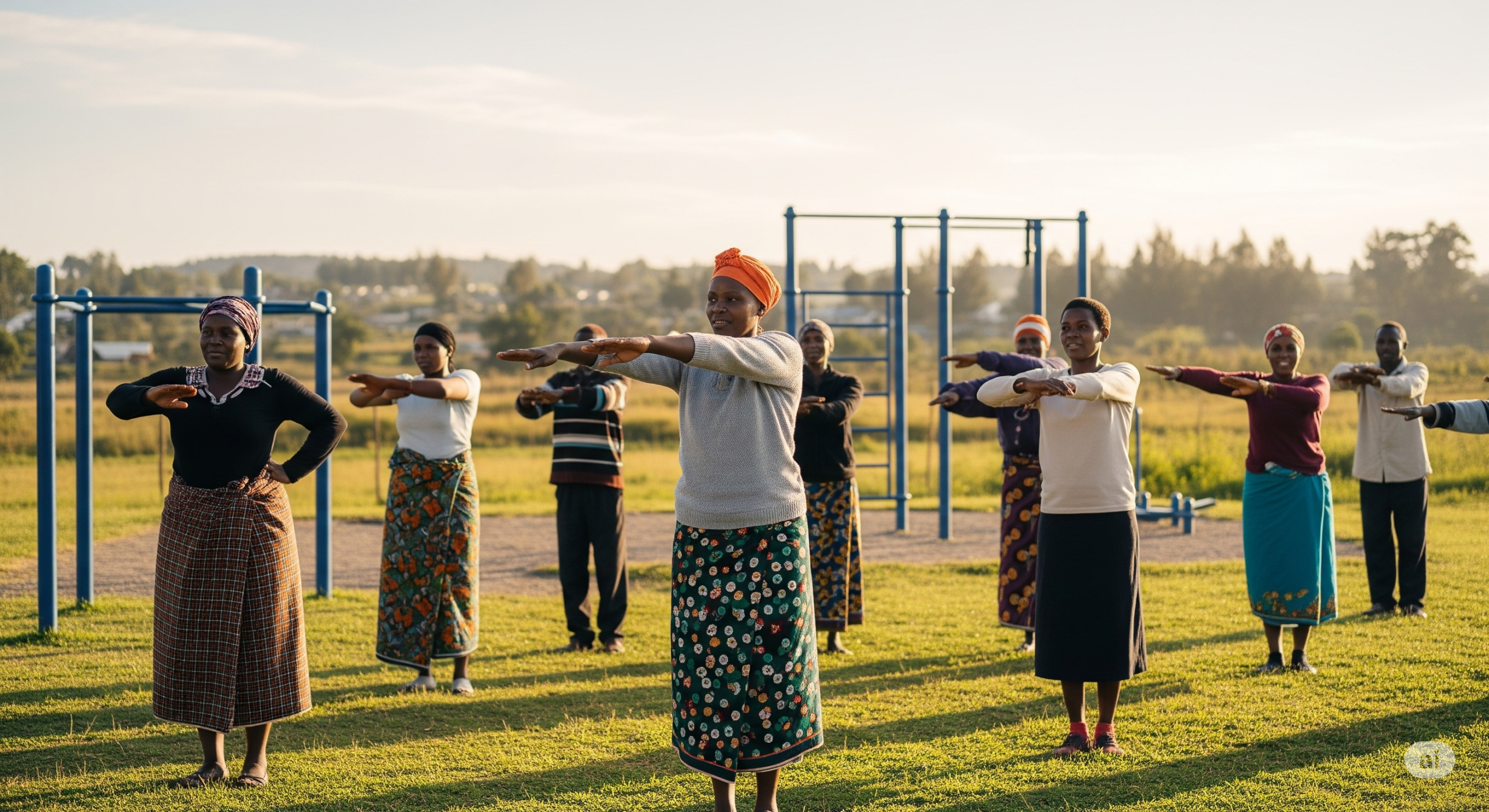


Non-communicable diseases (NCDs) such as hypertension, diabetes, cancer, and chronic respiratory illnesses are an increasing health challenge in Kakamega County. Traditionally viewed as urban health problems, NCDs are now affecting rural and peri-urban communities across the county. In response, community-driven NCD care has emerged as a practical and sustainable approach to prevention, early detection, and long-term management.
The NCD Situation in Kakamega County
Kakamega County has a largely rural population, with many residents depending on small-scale farming and informal employment. Limited access to specialized healthcare services, long distances to referral hospitals, and financial constraints make NCD management difficult for many families.
As a result, many people live with undiagnosed or poorly controlled conditions such as high blood pressure and diabetes, only seeking care when complications arise. This increases healthcare costs and negatively affects household livelihoods.
What Is Community-Driven NCD Care?
Community-driven NCD care places communities at the center of health promotion and disease management. Rather than relying solely on hospitals, this approach empowers local structures—community health promoters, local leaders, faith-based groups, and families—to play an active role in preventing and managing chronic diseases.
In Kakamega, this model aligns well with existing community health strategies and strong social networks.
Role of Community Health Promoters (CHPs)
Community Health Promoters are the backbone of community-driven NCD care in Kakamega. As trusted members of the community, they are well positioned to:
-
Educate households on NCD risk factors and healthy lifestyles
-
Encourage regular screening for blood pressure, blood sugar, and body weight
-
Identify individuals at risk and refer them to nearby health facilities
-
Support treatment adherence and follow-up at the household level
By bringing services closer to the people, CHPs help bridge the gap between communities and the formal health system.
Community Screening and Early Detection
Regular community-based screening activities are a key component of NCD care in Kakamega. Outreach events held at markets, churches, schools, and community gatherings make screening more accessible, especially for older adults and low-income households.
Early detection allows for timely intervention, reducing complications such as stroke, kidney failure, and heart disease.
Health Education and Behavior Change
Community-driven NCD care emphasizes prevention through education. Health talks conducted in local languages focus on:
-
Healthy, affordable diets using locally available foods
-
Physical activity through daily routines such as walking and farming
-
Reducing tobacco use and harmful alcohol consumption
-
Understanding NCDs as long-term conditions that require ongoing care
When messages are culturally relevant and community-led, they are more likely to lead to lasting behavior change.
Role of Faith-Based and Community Organizations
Churches, women’s groups, youth groups, and savings associations play an important role in NCD care in Kakamega. These platforms help reduce stigma, encourage peer support, and promote health-seeking behavior.
Faith-based organizations, in particular, provide trusted spaces for health education and psychosocial support for people living with chronic illnesses.
Strengthening Linkages to Health Facilities
Community-driven NCD care does not replace health facilities; instead, it strengthens the referral system. Clear linkages between CHPs and dispensaries, health centers, and county referral hospitals ensure continuity of care.
Follow-up at the community level helps patients adhere to medication and clinic appointments, improving long-term outcomes.
Challenges to Community-Driven NCD Care
Despite its benefits, this approach faces challenges in Kakamega, including:
-
Limited funding for community outreach and screening tools
-
Inadequate training and incentives for community health promoters
-
Stock-outs of essential NCD medicines at lower-level facilities
-
Low awareness and persistent myths about chronic diseases
Addressing these gaps is essential for scaling and sustaining community-based NCD care.
The Way Forward for Kakamega County
To strengthen community-driven NCD care in Kakamega, key actions include:
-
Investing in training and support for community health promoters
-
Expanding community-based screening and follow-up programs
-
Integrating NCD services into primary healthcare and outreach
-
Supporting community and faith-based organizations in health promotion
-
Improving availability of essential NCD medicines at local facilities
Conclusion
Community-driven NCD care in Kakamega offers a practical and people-centered solution to the growing burden of chronic diseases. By empowering communities, strengthening primary healthcare, and promoting prevention and early detection, Kakamega County can improve health outcomes, reduce healthcare costs, and protect families from the long-term impact of non-communicable diseases.