

Heart disease is a growing public health concern in Western Kenya, affecting both rural and peri-urban populations. Conditions such as hypertension, stroke, and heart failure are increasingly common due to lifestyle changes, limited access to preventive care, and low awareness of cardiovascular risk factors. Preventing heart disease in Western Kenya requires a combination of individual behavior change, community action, and strengthened primary healthcare services.
Understanding Heart Disease in Western Kenya
Heart disease develops over time and is often linked to high blood pressure, diabetes, obesity, smoking, and unhealthy diets. In Western Kenya, many people live with undiagnosed or poorly controlled hypertension, increasing the risk of stroke and heart attack. Late diagnosis is common because early stages of heart disease often show no symptoms.
Key Risk Factors in the Region
Several factors contribute to heart disease in Western Kenya:
-
High salt consumption, often from processed and preserved foods
-
Reduced physical activity due to lifestyle changes
-
Harmful alcohol consumption and tobacco use
-
Poor management of hypertension and diabetes
-
Limited access to routine screening and follow-up care
-
Indoor air pollution from firewood and charcoal use
Addressing these risks early is essential for prevention.
Importance of Early Screening and Detection
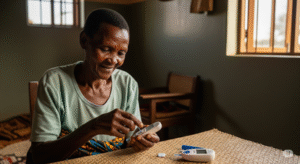
Regular screening is one of the most effective ways to prevent heart disease. Blood pressure checks, blood sugar testing, and weight monitoring help identify people at risk before complications develop.
Community-based screening in markets, churches, health outreaches, and village gatherings makes services more accessible, especially for older adults and low-income households. Early detection allows for timely lifestyle changes and treatment, reducing the likelihood of severe heart-related events.
Promoting Healthy Diets Using Local Foods
Healthy eating does not require expensive or imported foods. In Western Kenya, traditional diets can support heart health when prepared and consumed appropriately. Prevention strategies include:
-
Increasing intake of vegetables, fruits, and legumes
-
Reducing salt during cooking and at the table
-
Limiting fried foods and foods high in unhealthy fats
-
Choosing whole grains and traditional staples in moderation
Nutrition education focused on locally available foods helps families adopt sustainable dietary habits.
Encouraging Physical Activity in Daily Life
Regular physical activity strengthens the heart and helps control blood pressure and body weight. In Western Kenya, simple activities such as walking, farming tasks, household chores, and community sports can significantly reduce heart disease risk.
Encouraging at least 30 minutes of moderate activity on most days is achievable without special equipment or facilities.
Reducing Tobacco and Harmful Alcohol Use
Smoking and excessive alcohol consumption are major contributors to heart disease. Community awareness campaigns, counseling at health facilities, and support groups can help individuals reduce or quit these behaviors.
Engaging local leaders, youth groups, and faith-based organizations strengthens prevention messages and reduces social acceptance of harmful practices.
Role of Community Health Promoters
Community Health Promoters play a critical role in preventing heart disease in Western Kenya. They support households by:
-
Educating communities about heart disease risk factors
-
Encouraging regular blood pressure screening
-
Supporting adherence to medication and clinic visits
-
Referring high-risk individuals to health facilities
Their close connection to the community makes prevention efforts more effective and trusted.
Strengthening Primary Healthcare Services
Accessible and reliable primary healthcare is essential for heart disease prevention. Health facilities should offer routine screening, counseling, and affordable treatment for hypertension and diabetes. Consistent availability of essential medicines and clear referral pathways improve long-term outcomes.
Community and Institutional Support
Schools, churches, women’s groups, and cooperatives provide valuable platforms for heart health education. Community-led initiatives reduce stigma, promote peer support, and encourage healthy behaviors.
Conclusion
Preventing heart disease in Western Kenya is achievable through early screening, healthy lifestyles, strong community engagement, and accessible primary healthcare services. By focusing on prevention and early action, communities can reduce illness, protect family livelihoods, and improve overall quality of life. Investing in heart disease prevention today will save lives and reduce healthcare costs for future generations.