

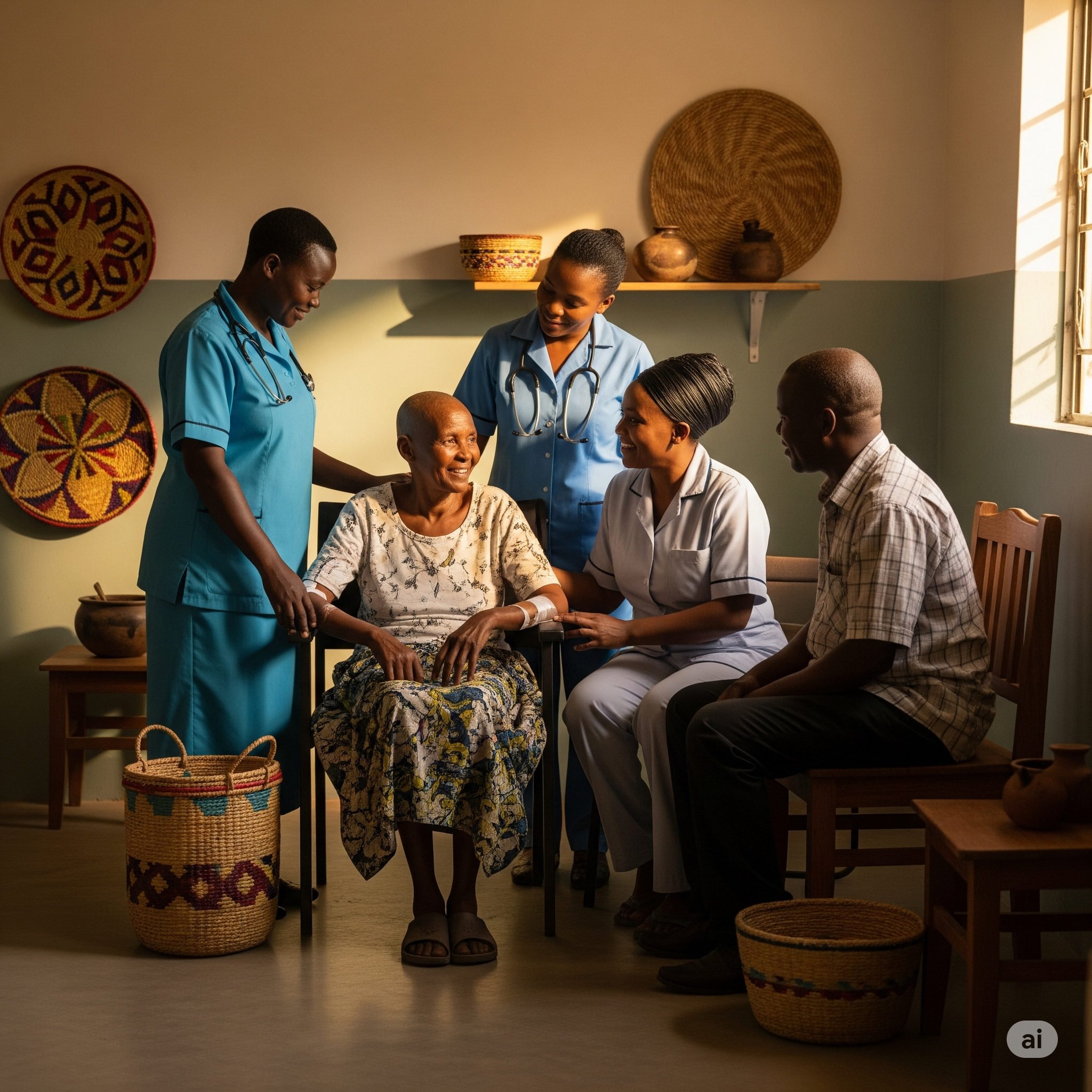
Non-communicable diseases (NCDs) such as diabetes, cancer, cardiovascular diseases, and chronic respiratory conditions have a profound impact on Kenyan families. Beyond their medical effects, NCDs create social, emotional, and economic challenges that affect entire households. As the prevalence of NCDs continues to rise in Kenya, families increasingly bear the greatest burden of care and cost.
Financial Strain on Households
One of the most significant impacts of NCDs on Kenyan families is financial pressure. Managing a chronic illness often requires lifelong medication, frequent hospital visits, diagnostic tests, and sometimes specialized treatment. Many families rely on out-of-pocket payments, as health insurance coverage remains limited or insufficient for long-term care.
For low- and middle-income households, these expenses can consume a large portion of household income. Families may be forced to sell assets, take loans, or divert money meant for education, housing, or food to pay medical bills. In severe cases, NCD-related costs push families into poverty or deepen existing financial hardship.
Loss of Income and Productivity

NCDs often affect adults in their most productive years. When a breadwinner becomes chronically ill, their ability to work consistently or at all may be reduced. This leads to loss of income, job insecurity, or early retirement.
In many Kenyan families, other members—often spouses or older children—may need to reduce their working hours or stop working altogether to provide care. This further lowers household income and increases dependency, creating long-term economic instability.
Emotional and Psychological Impact
Living with a chronic disease places emotional strain not only on the patient but also on family members. Caregivers may experience stress, anxiety, and burnout due to the demands of long-term care, uncertainty about the future, and financial worries.
Children in families affected by NCDs may experience fear, emotional distress, or reduced attention from parents who are focused on managing illness. In some cases, prolonged illness or disability can lead to depression, social isolation, and strained family relationships.
Impact on Children and Education
When NCDs affect parents or guardians, children often feel the consequences most sharply. Limited financial resources may result in delayed school fee payments, frequent school absenteeism, or complete withdrawal from school.
Some children take on caregiving roles at a young age, which can interfere with their education and personal development. This creates a cycle where illness in one generation affects opportunities and outcomes in the next.
Increased Caregiving Burden
In Kenya, caregiving responsibilities are primarily handled within the family, often by women. Mothers, daughters, and wives are most likely to assume caregiving roles, which can limit their ability to pursue education, employment, or personal goals.
This unpaid caregiving burden contributes to gender inequality and can negatively affect the physical and mental health of caregivers themselves.
Social Stigma and Isolation
Certain non-communicable diseases, such as cancer or conditions associated with disability, may be misunderstood or stigmatized in some communities. Families may face social isolation, discrimination, or lack of community support.
Stigma can discourage individuals from seeking early diagnosis or treatment, worsening health outcomes and increasing the long-term burden on families.

Coping and Resilience Among Kenyan Families
Despite these challenges, many Kenyan families show remarkable resilience. Extended family networks, community support groups, faith-based organizations, and informal savings groups often help households cope with the impact of NCDs.
However, reliance on informal support systems is not sustainable on its own and highlights the need for stronger institutional support.
The Way Forward
Reducing the impact of NCDs on Kenyan families requires a comprehensive approach that includes:
-
Improved access to affordable healthcare and insurance
-
Early screening and prevention programs
-
Public education on healthy lifestyles
-
Support for caregivers, including mental health services
-
Social protection measures for vulnerable households
Conclusion
The impact of non-communicable diseases on Kenyan families goes far beyond health. NCDs strain finances, disrupt livelihoods, affect children’s education, and place emotional and caregiving burdens on households. Addressing NCDs effectively is not only a health priority but also a social and economic necessity. Strengthening prevention, healthcare systems, and family support structures will be essential in protecting Kenyan families from the long-term effects of chronic diseases.