From Grief
to Ground
The story of how one son's love for his mother — and a community's unmet need — became the seed of the Kenya NCD Resource and Support Center.
A gym, a stranger,
and a changed life
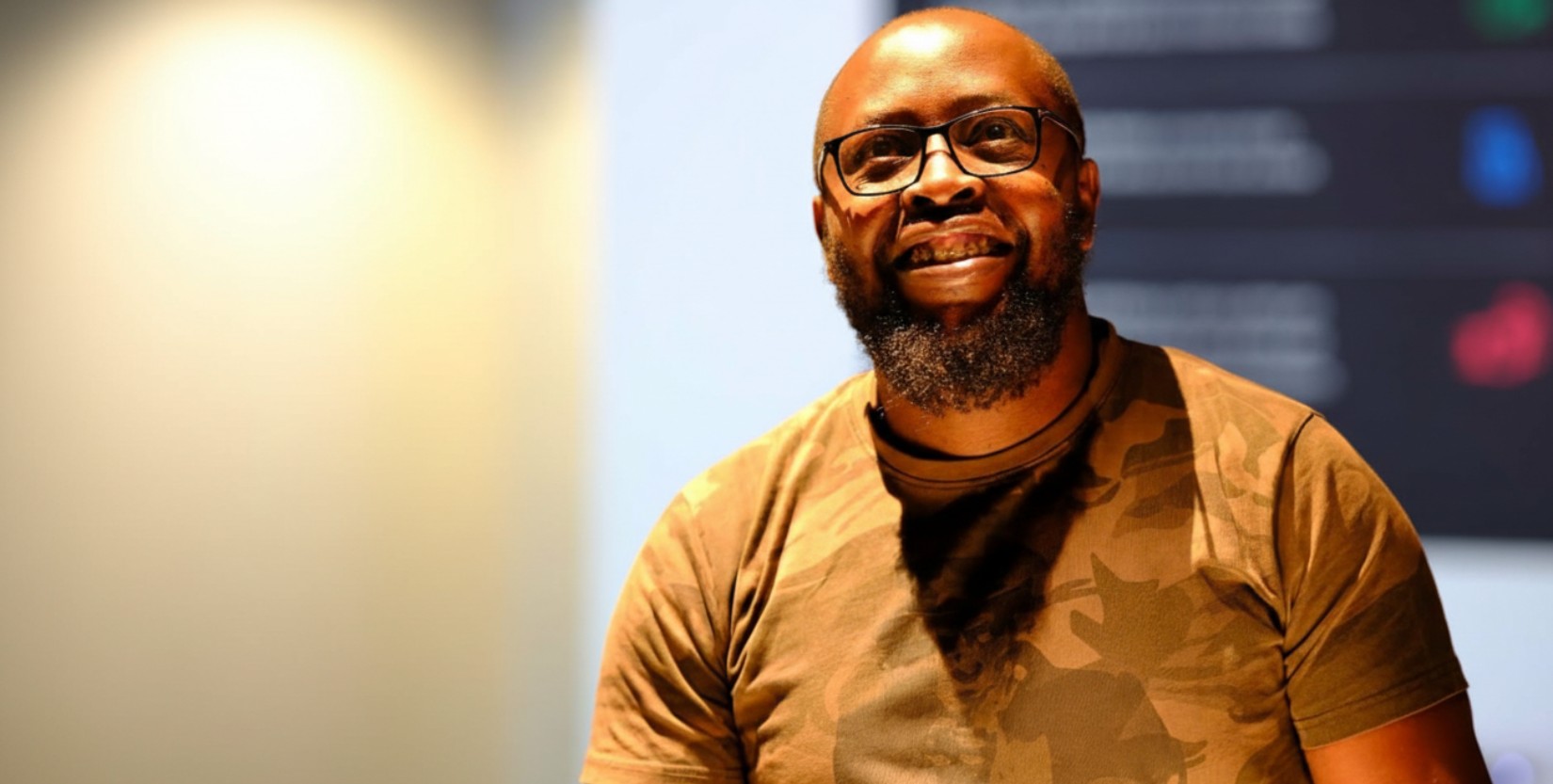
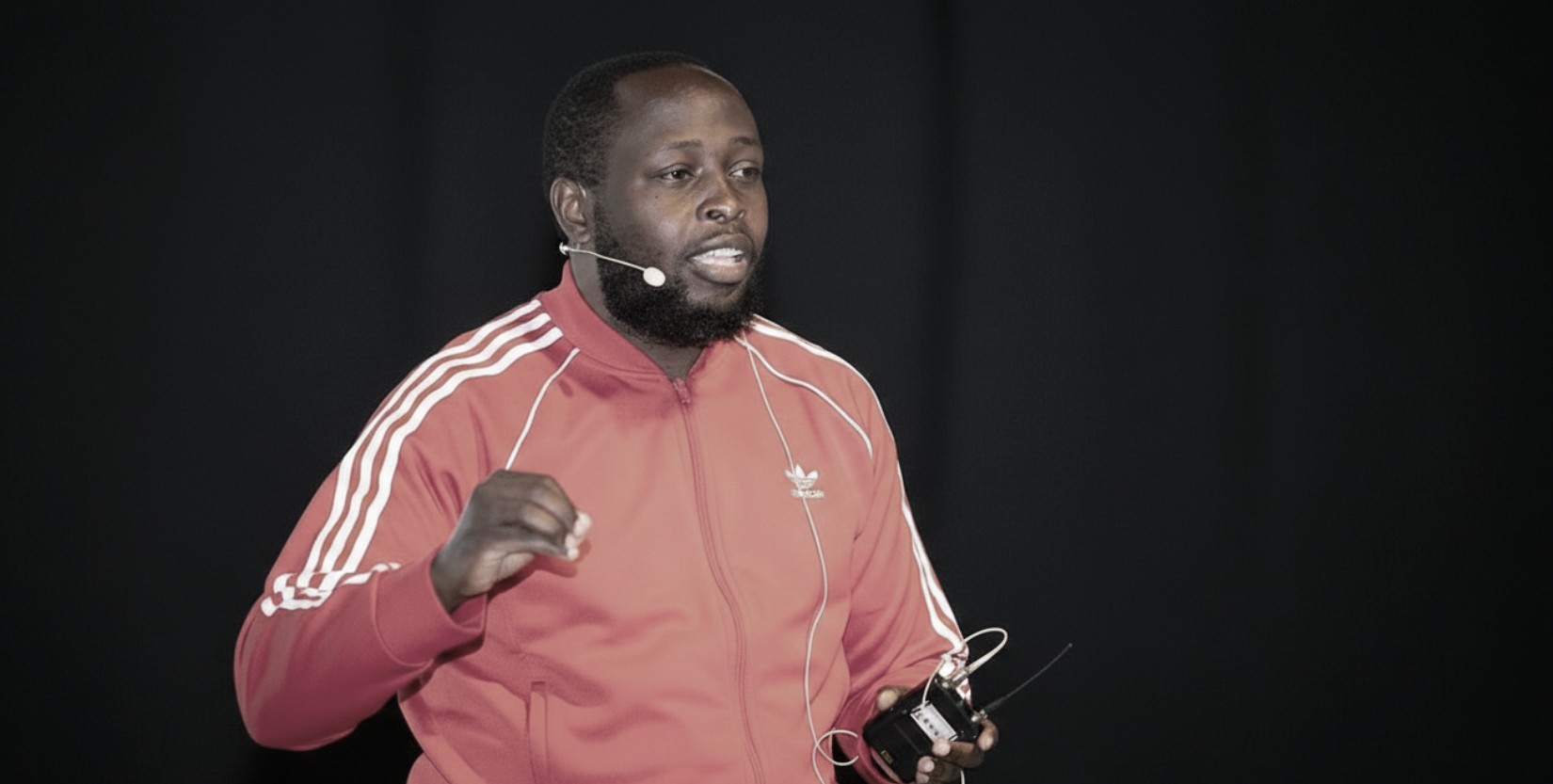
My name is Moses Oluchiri Amonje, and I have been working in community development since 2004, beginning in Jericho — one of the informal settlements in Eastlands, Nairobi, where many low-income families face significant social and economic challenges. Over the years, I dedicated myself to supporting vulnerable communities through youth empowerment initiatives, mentorship, and programs aimed at creating opportunities, inspiring hope, and improving livelihoods among young people. I have seen poverty, I have seen resilience, and I have learned that real change rarely arrives in the form you expect it.
In 2019, I opened a small fitness center in Nairobi — just a modest gym for aerobics and basic strength workouts. About two weeks after opening, a man came through the door. He had clearly been unwell — it was visible in the way he carried himself. He told me he was a stroke survivor. He had worked at a hotel in Maasai Mara, but after the stroke, the medical bills had drained everything. He had been attending physiotherapy at nearly $100 per session until money ran out completely. His physiotherapist's advice before he left: find somewhere you can move your body regularly — simple movements, walking, anything — and it will help you recover.
I told him to come in. We tied his weaker leg to the bicycle pedal and helped him cycle — slowly at first, then with growing strength. Within a month, he had made remarkable progress. Within two months, he had regained full function. He went back to work. It was in that moment I realized what we had built was not a gym. It was a place that could change lives. That realization never left me.
Two men with the same question: Why aren't we preventing this?
That experience at the gym set me on a deep path of research — into stroke, hypertension, diabetes, cancer, the full spectrum of non-communicable diseases — how they take hold, and crucially, how they can be prevented before they do. The more I learned, the more I felt the urgency of acting upstream. Why were we only treating, never preventing?
Around that time, a man named Stephen Tanui started coming to work out at the gym. I noticed he had a curious, serious quality — he would always find me buried in research on my laptop and ask what I was doing. Turned out Stephen had come to the gym for his own reasons: he was managing mild hypertension and had discovered, firsthand, that physical activity and lifestyle changes could shift everything.
We had the same question. We had the same fire. In 2019, we co-founded Wellness for Greatness Kenya — a nonprofit dedicated to NCD prevention and management — and we started going into schools across rural and urban Kenya, partnering with the Ministry of Education and Ministry of Public Health to bring physical activity and healthy lifestyle education to children at the age when it matters most.
work
Her name was
Mama Mary Lavoga.
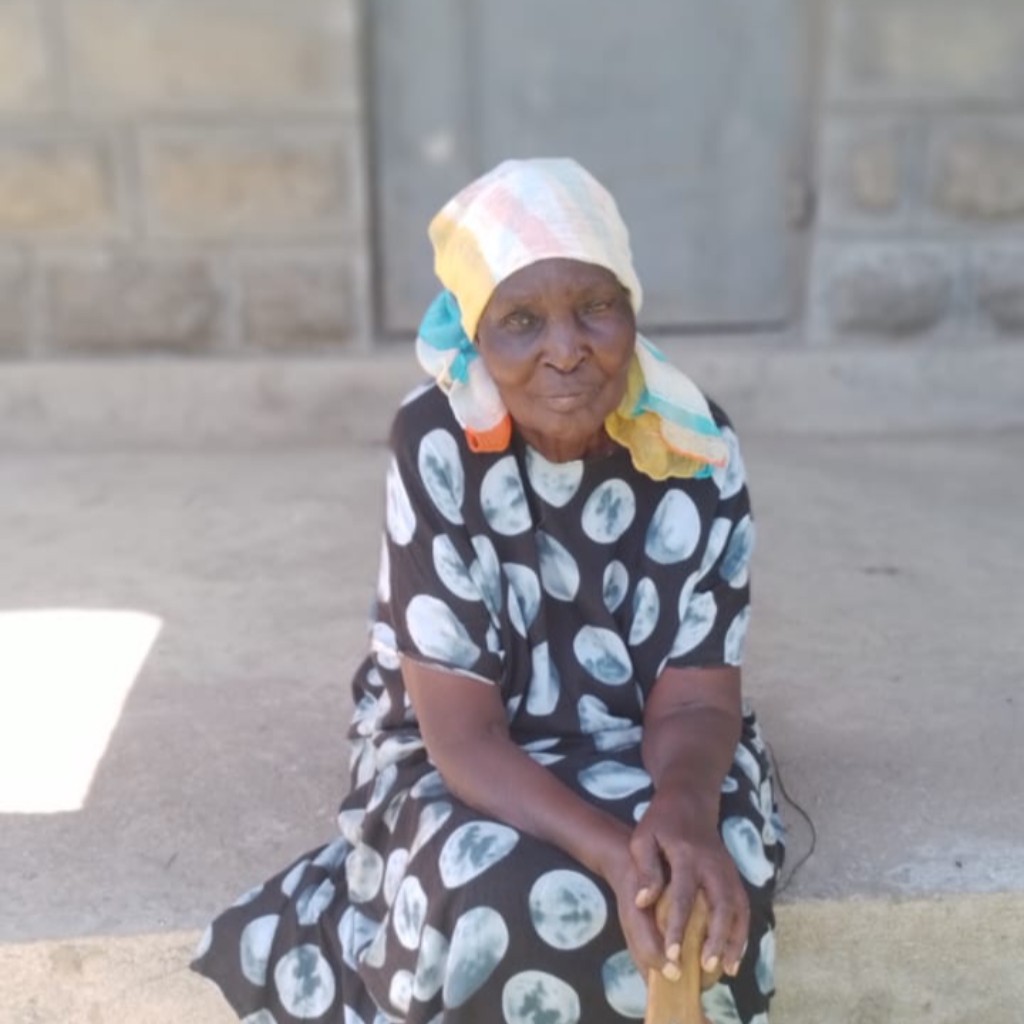
In December 2022, Stephen and I travelled to my rural home in Khumusalaba, Khwisero sub-county, Kakamega County, Western Kenya, to visit my mother. She was living with hypertension. What struck us, as we moved from homestead to homestead bringing sugar and milk to the elderly, was how many of those women and men had the same conditions — hypertension, diabetes, or both — and how little access they had to proper, consistent care.
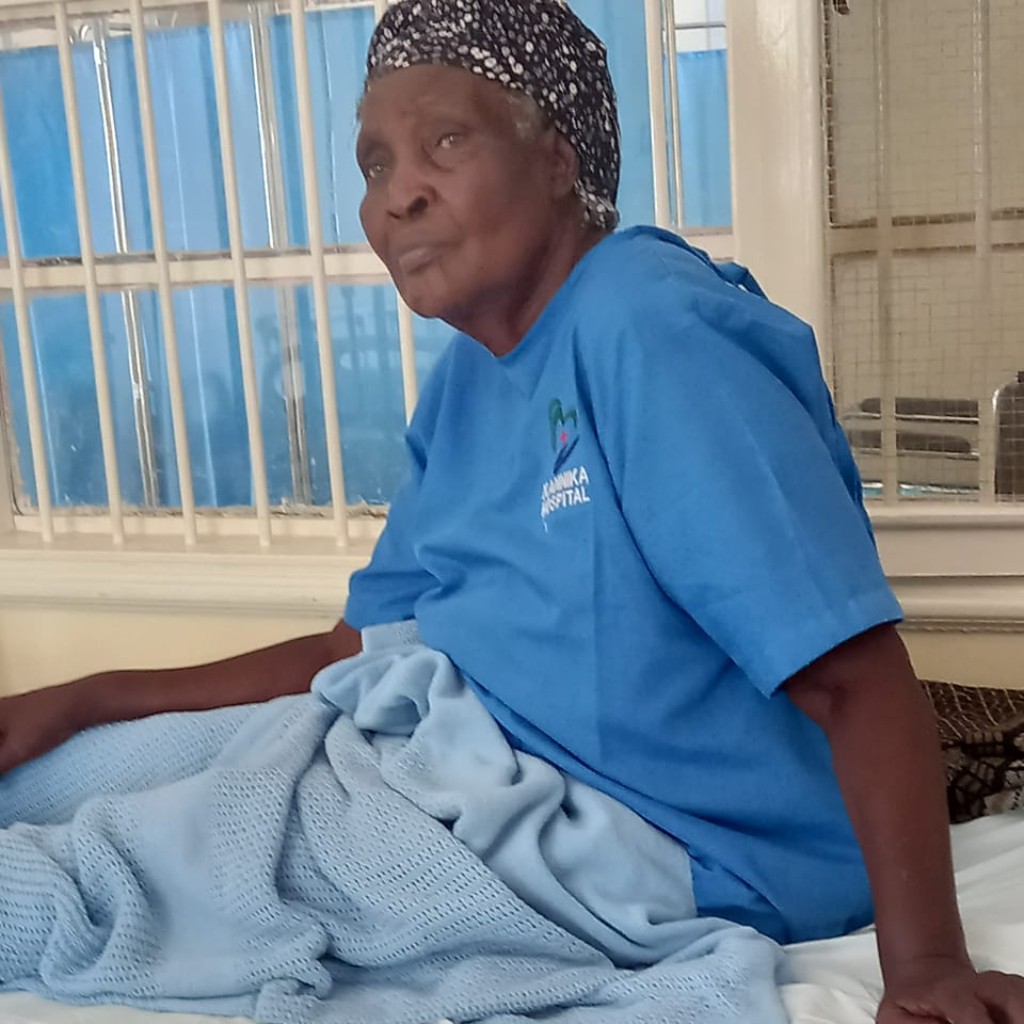
By 2023, Mama was really unwell. She had stopped taking her medication. When I was called and told she wasn't doing well, I tried the nearby hospitals. I even brought her to Nairobi. But she kept going back to the village, and the monitoring was not there. One evening I was told she was hallucinating, not speaking, not sleeping. Her eyes were changing.
I managed to find a cardiologist in another town, and we admitted her at a private hospital — expensive, far away, but there was nowhere else. She stayed for two weeks. And something remarkable happened.
The doctor discovered that unmanaged hypertension had triggered hyperthyroidism, which was causing the hallucinations, the anger, the sleepless nights, the failing eyesight. They treated the hyperthyroidism. They adjusted and properly managed her hypertension medication. They trained my sister Elizabeth — who had been Mama's primary caregiver — on how to take her vitals every morning and every evening, and how to administer her medication correctly. They sent Mama home with a full month of medication and a clear follow-up schedule.
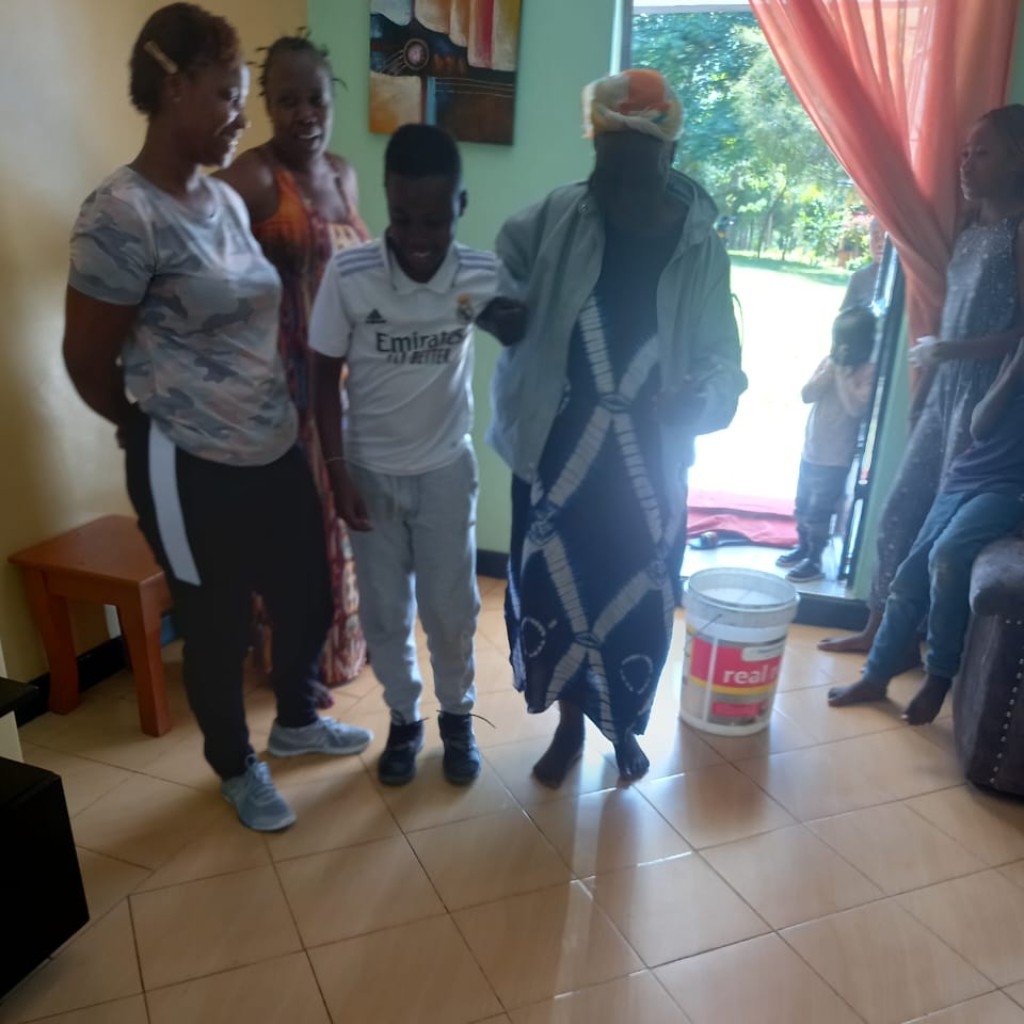
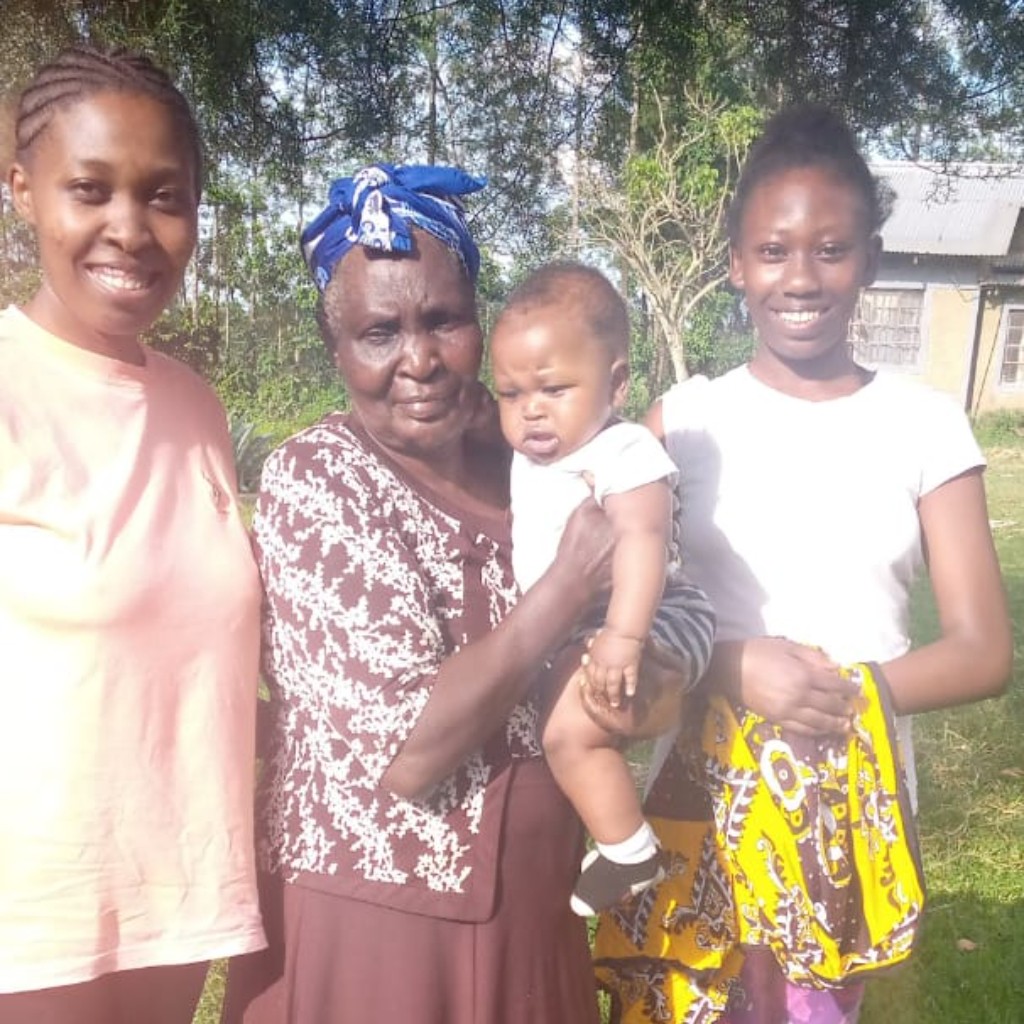
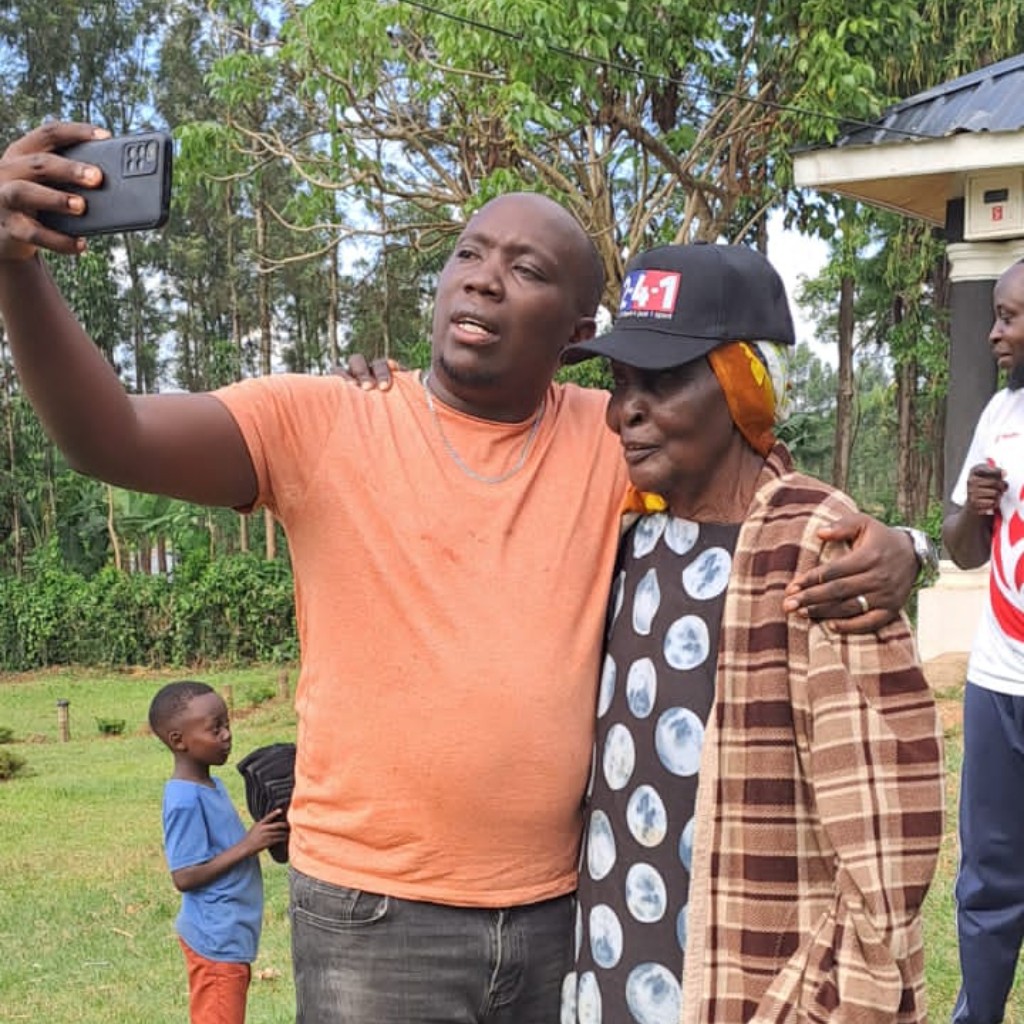
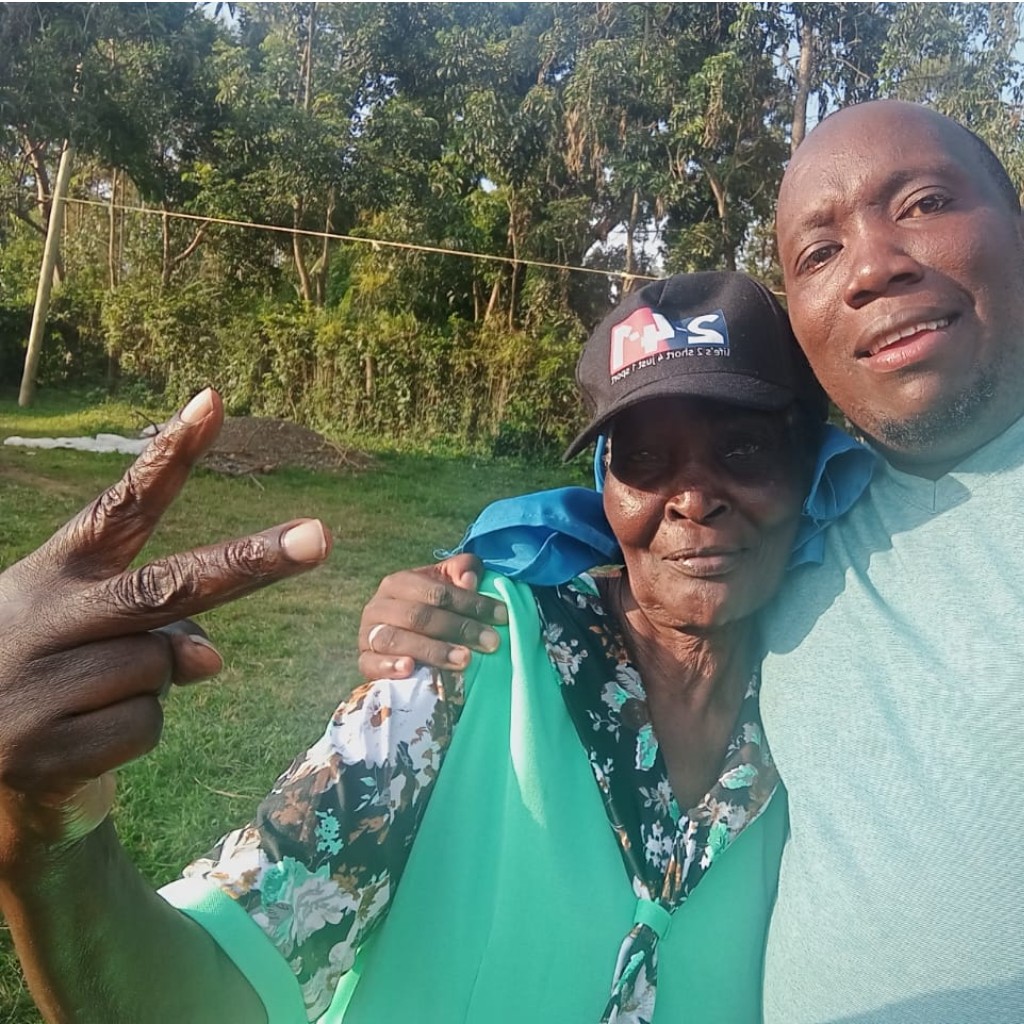
Those two weeks gave her one and a half more years. Beautiful years. Years that included dancing — as you will see in the video below — and family, and joy, and a new house that we built her so she could have comfort and dignity and a changed environment. Years she would not have had without that care.
If we had done that three years earlier — the medication management, the caregiver training, the diet monitoring — I do not think we would have ever needed that hospital stay at all.
Those two weeks were not about surgery or equipment. It was the basics — the right medication, a trained caregiver, monitored vitals. That is the kind of care we want to bring to an entire region.— Moses Oluchiri Amonje, Founder & CEO
A life fully, joyfully lived.
Mama Mary — dancing. This is who we are building for.
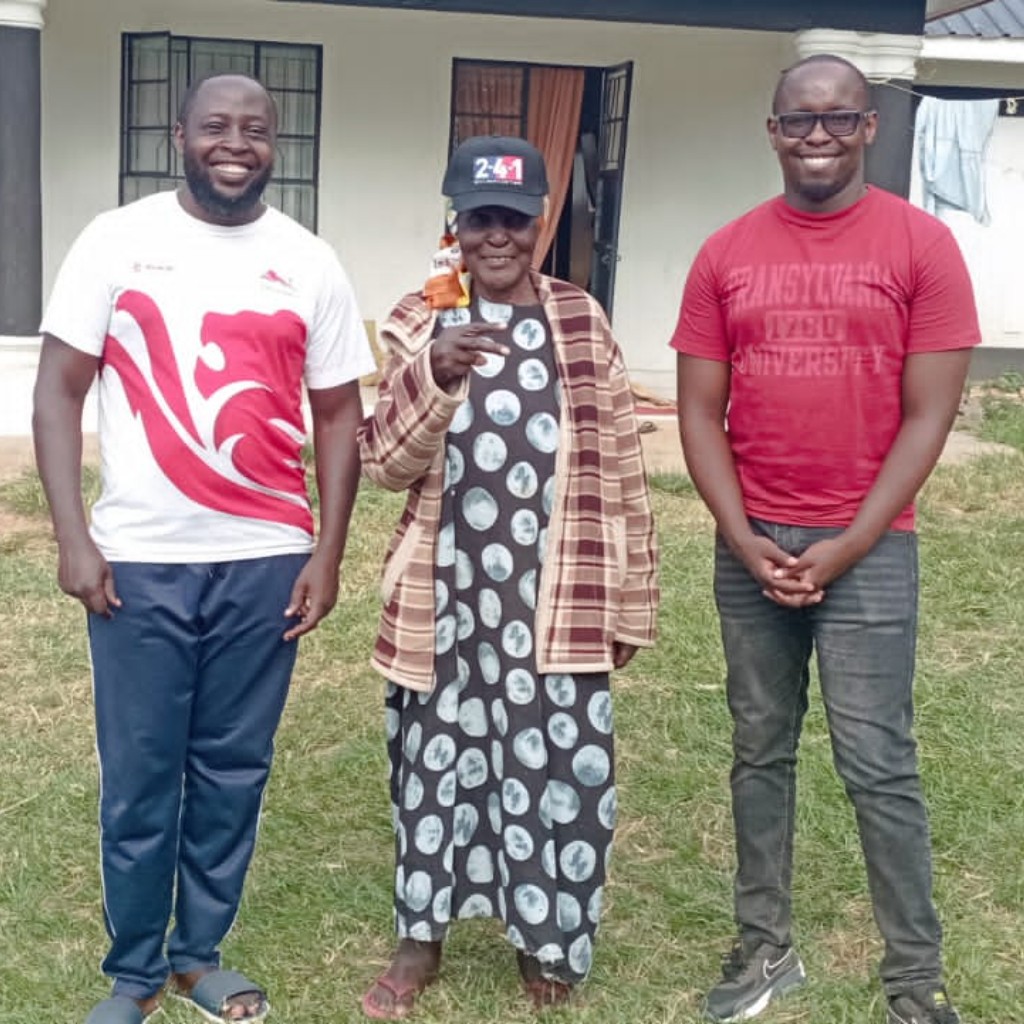
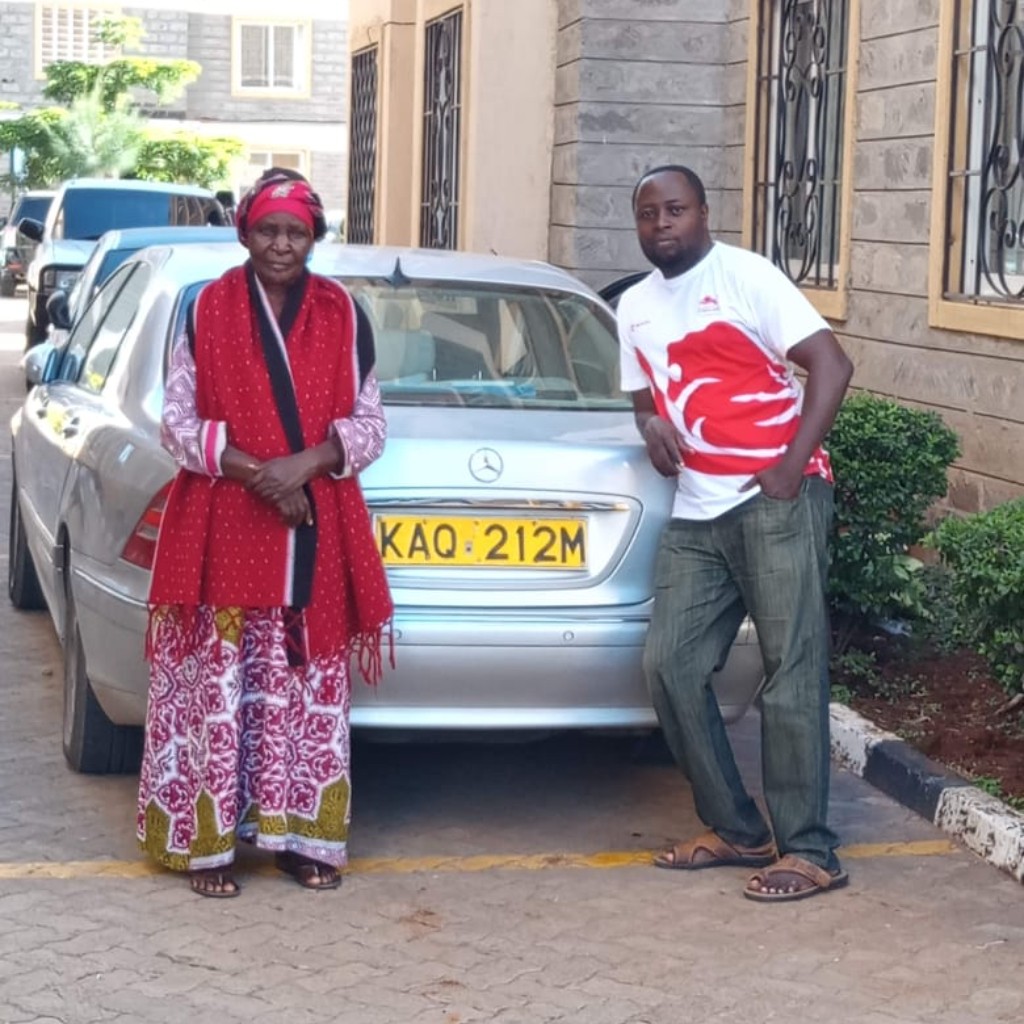
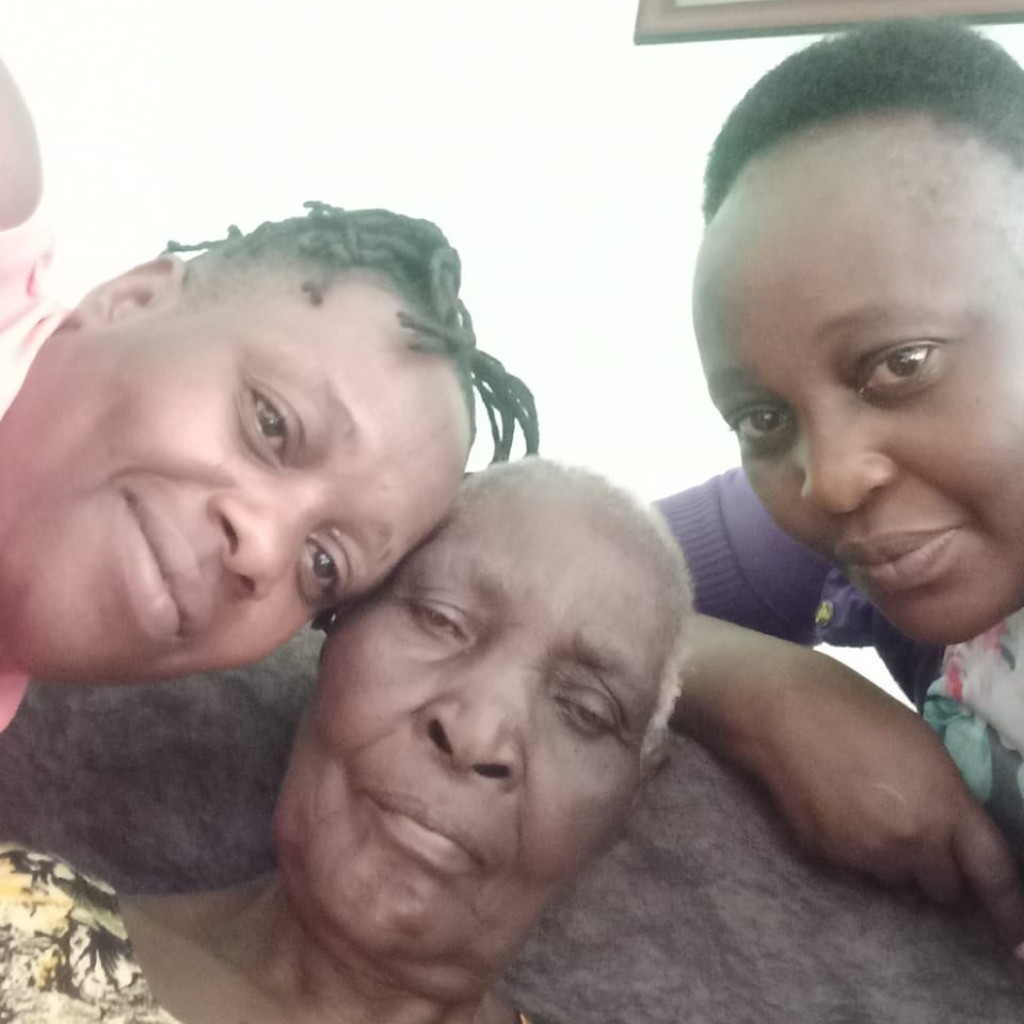
In March 2024, she had a stroke at breakfast. The following day, she was gone.
We were still dealing with her loss in April 2024. We are, honestly, still grieving even now. And grief, I have come to understand, is part of what this center is about too — because so many families in our region carry it alone, quietly, not knowing that what their loved one experienced was treatable, manageable, preventable.
After Mama passed, Stephen and I sat down with our team and asked: what do we do with this? The answer had been forming for two years. We would build something. A place that removes the impossible distance between rural families and real NCD care. A sanctuary where a caregiver like my sister Elizabeth could be properly trained and supported. A place where medication is affordable and adherence is supported. A place where no one is told their mother is possessed by evil spirits when what she has is hyperthyroidism brought on by unmanaged hypertension.
That is not a story from a medical journal. That is a story I was told by a woman at my mother's own funeral — her neighbour, whose mother had the same symptoms, the same hallucinations, the same sleepless jittery nights. And her family had locked her in a room and called spiritualists. She did not survive.
She was not the only one.
At my mother's funeral, a woman approached my sisters. Her own mother, she said, had experienced exactly the same symptoms as Mama Mary — the hallucinating, the anger, the sleeplessness, the not eating. But no one had known. The family's conclusion had been that she was possessed by evil spirits. They had locked her in a room and brought in spiritualists to pray over her. She had died.
"I wish I had known," the woman said. "I wish I had known it could be taken care of."
The action we took — getting Mama Mary proper diagnosis and care — gave her one and a half more years. One and a half more years of life. That is the cost of the gap we are trying to close. And that gap is not in one homestead. It is across eight counties in Western Kenya, each full of families doing their best with almost no support, almost no information, and almost no access.
We are building the Kenya NCD Resource and Support Center in Mama Mary's name, and for every family like hers — and the neighbour's — who deserve better.
We are building
The Happy Place.
At Mama Mary's funeral, standing before the people who had loved her, I made a promise. I told those gathered that her passing would not be in vain — that I would build a foundation in her honor, a place that would ensure no other family in our region had to go through what ours did. That promise has shaped every step we have taken since. What began as a pledge at a graveside has grown into the Kenya NCD Resource and Support Center.
In Khumusalaba village, Khwisero sub-county — where trees line a quiet stream and the air carries the sounds of Western Kenya — we are building a center that is unlike anything the region has seen. Not a hospital. A sanctuary: warm, restorative, community-driven, and built around the three things Mama Mary's story made undeniable.
Prevention, so that conditions like hypertension, diabetes, and cancer are caught and managed before crisis. Management, so that the right medications, diagnostics, and clinical support are available close to home. And support — for patients, for families, for the caregivers who carry so much — because dignity, emotional wellbeing, and the understanding that you are not alone are not optional extras in health. They are health.
A friend of mine, whose own parents live in another county, watched the video we made about this project and told me: "If the center were ready now, I could have brought my parents there for even a week — just for restoration." That is the kind of place we are building. A place people want to come to. A place of hope, activity, connection, and healing — inside and out.
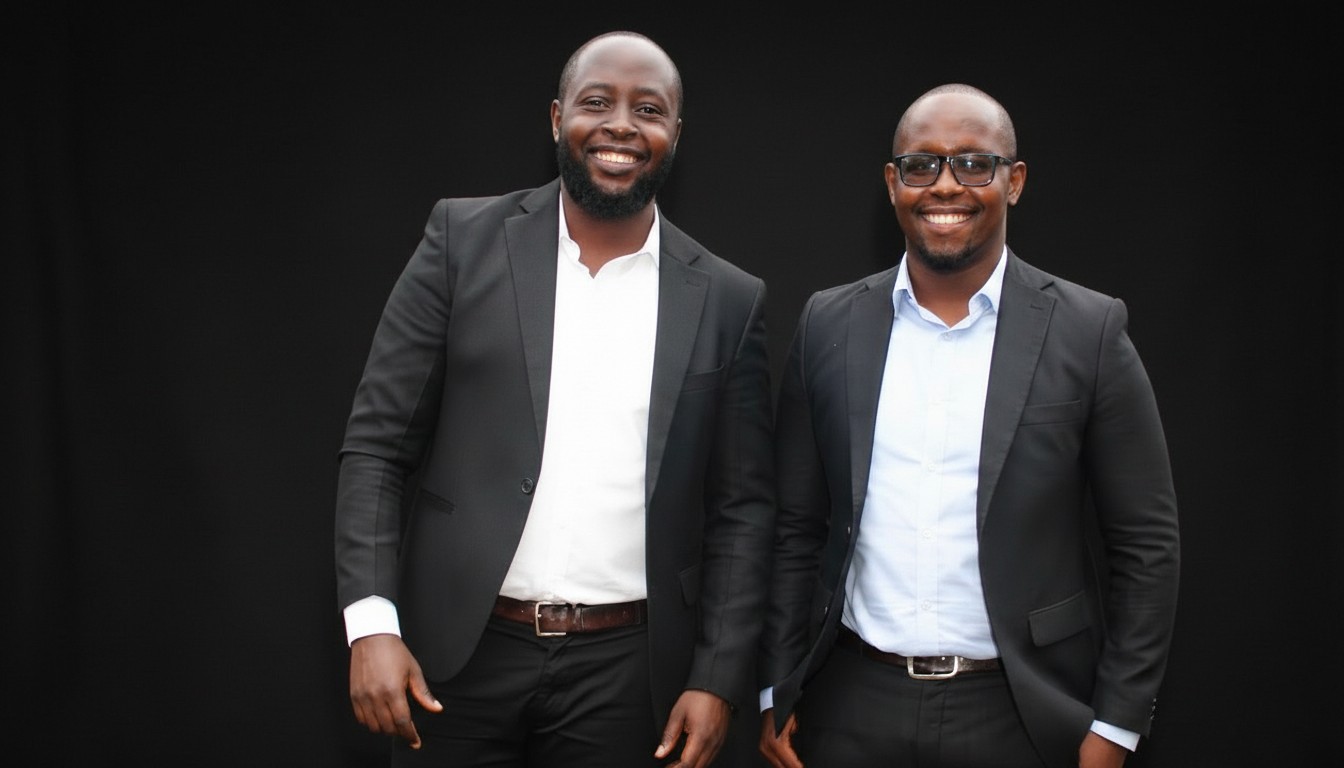
Support the Construction Appeal →Stephen Kimutai Tanui, Co-Founder & Director joined Moses at the gym not as an investor or a strategist, but as someone who had experienced, personally, what unmanaged hypertension feels like — and what lifestyle change could do. The research he found Moses doing resonated immediately. Their shared conviction that prevention, not treatment, had to be the starting point became the founding idea of Wellness for Greatness Kenya.
Together, they have spent years building partnerships with government, international organizations, and community structures across Western Kenya. Stephen leads strategy, program development, and the long-term vision for the Kenya NCD Resource and Support Center — ensuring that the promise Moses made at his mother's funeral is matched by a plan rigorous enough to serve thousands of families for generations to come.